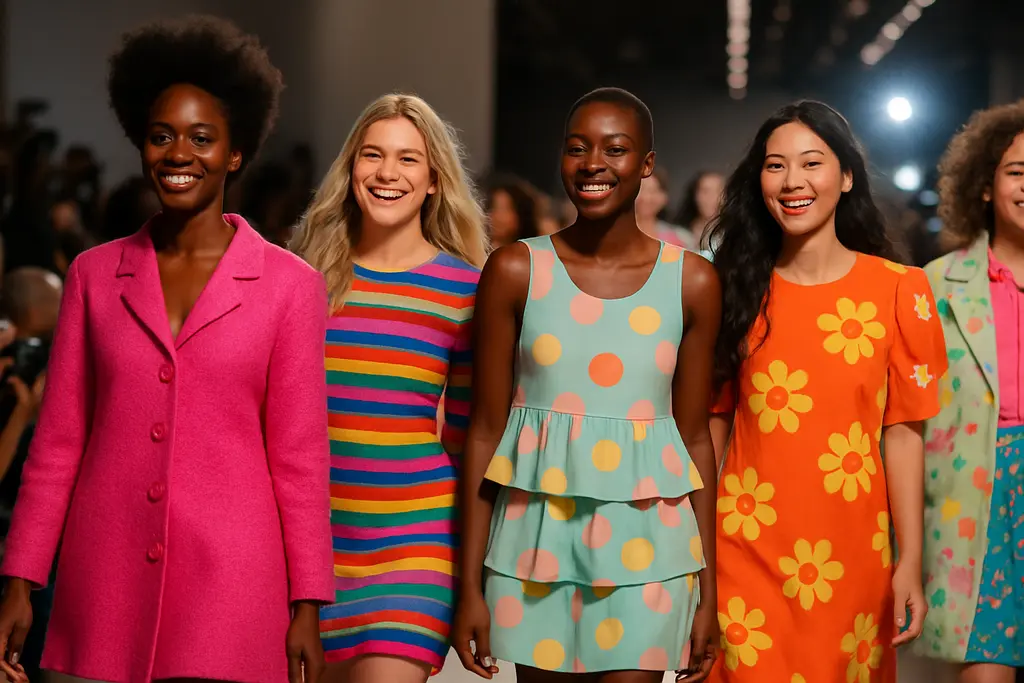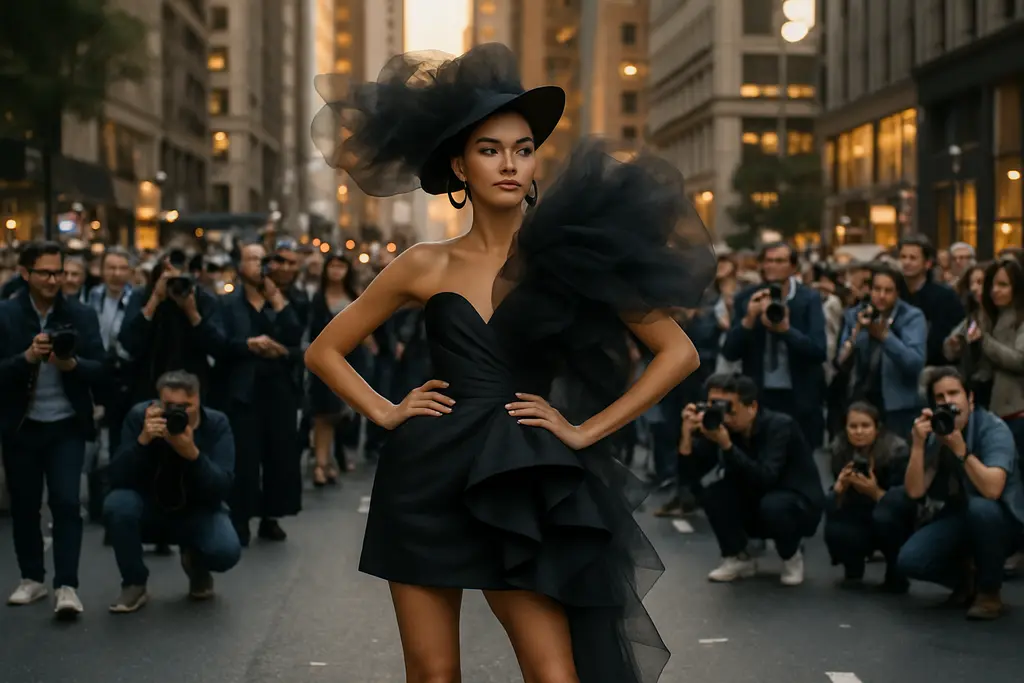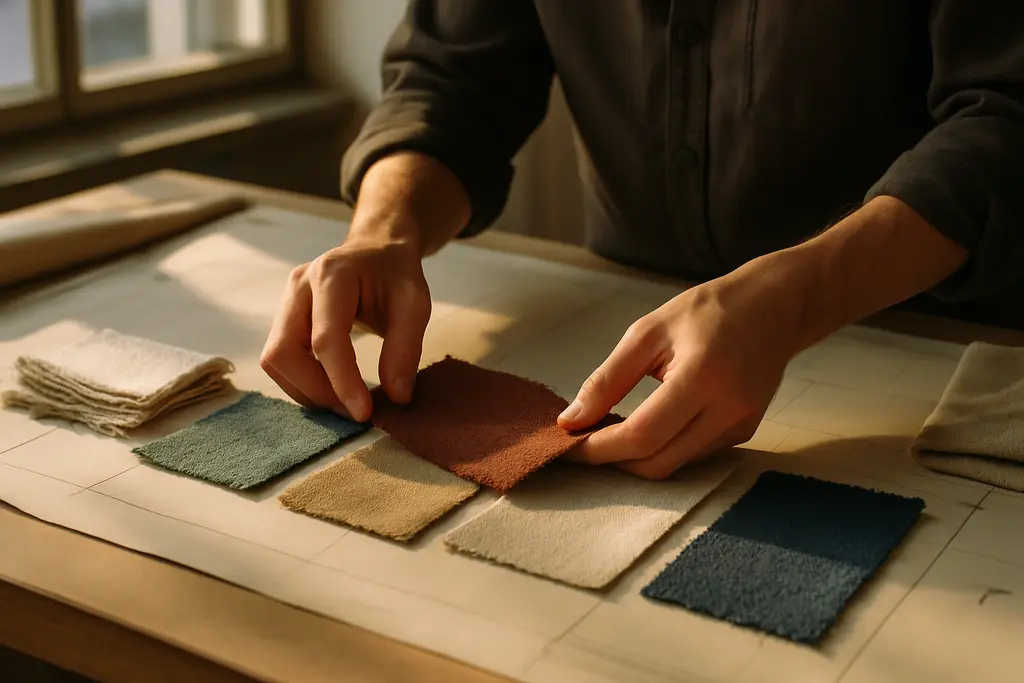
NYFW SS27 trends are most useful when treated less like instructions and more like technical evidence. New York Fashion Week Spring/Summer 2027 was held on September 10–15, 2026, so the useful question now is not what might happen on the runway, but what the completed shows suggest for color, silhouette, styling, and cautious seasonal planning.
As a technique teacher, I look for repeatable patterns before I ask anyone to change a habit. The same method works with fashion. One striking look can inspire, but repeated signals across a season carry more practical weight. For designers, stylists, small retailers, handmade sellers, and wardrobe builders, the task is to separate runway atmosphere from workable decisions: which color stories are worth sampling, which shapes deserve fitting trials, and which details can be adapted without overcommitting inventory or copying another designer’s authorship.
NYFW SS27 Trends As A Technique Brief
Reading The Data Before The Mood
The strongest starting point is the palette. T-Fashion’s New York Fashion Week Spring 2027 report recorded black in 34.1% of runway looks, white in 32.4%, and almond in 5.6%; it also reported minimalist themes rising to 28.5% of looks T-Fashion report. Those figures support a restrained reading of the season: contrast, clarity, and pared-back composition were not side notes.
That does not mean every collection rejected color or surface interest. It means black and white can serve as a base practice for seasonal work. A maker might test a white shirt shape in cotton poplin before moving to color. A retailer might judge new stock against existing black and white basics. A stylist might use a monochrome base to control the visual weight of a print, cuff, belt, or sheer layer.
Reading NYFW SS27 Trends Without Overbuying
The technical risk after any fashion week is overreaction. A runway trend is not a guarantee of customer demand, and a data point does not remove the need for fit testing, fabric costing, or audience awareness. Used carefully, NYFW SS27 trends give makers a short list of experiments rather than a command to replace a whole line.
For a small studio, that might mean producing one sample in black, one in white, and one in almond before expanding the palette. For a wardrobe planner, it might mean checking whether a new midi skirt works with existing shoes and outer layers. For a seller, it might mean photographing a product with both quiet styling and a stronger accessory so the customer can see range.
Color, Contrast, And Minimalist Control
Why Black And White Need Care
Black and white can look simple, but simple is rarely easy. Black hides construction errors in photographs but may flatten texture. White reveals seams, lining choices, pressing quality, and fabric transparency. The rise of these colors, paired with the reported increase in minimalist themes, asks for discipline at the construction level.
In practical terms, test opacity before committing to white garments. Examine whether a pocket bag, facing, or hem shadow shows through. With black garments, test surface finish under several light sources, because a matte black cotton, a black satin, and a black nylon can read as separate colors when placed together. Minimalism works only when proportion, edge quality, and fabric behavior are strong enough to carry the design.
This is where runway analysis becomes technique building. Instead of saying “minimalism is back,” ask which skills the look requires: cleaner pressing, better seam placement, stricter styling edits, and a more intentional use of negative space. Those are teachable, repeatable, and measurable.
Silhouette Signals From Skirts And Dresses
Straight, Midi, And Maxi Shapes
The T-Fashion data also pointed to a garment shift. Dresses were reported at 44.6% of looks, up from 36.2% in SS26; maxi dresses reached 19.2%, straight skirts rose to 11.5%, and midi skirts reached 11.0%. At the same time, skirts as a broader category were reported lower than SS26, which is a useful reminder that category data can move in several directions at once.
For technique planning, the lesson is not simply “make more skirts” or “make more dresses.” It is to study length, column shape, and movement. A straight skirt needs walking ease. A midi hem needs proportion testing on different heights. A maxi dress needs weight control so the garment does not pull from the shoulder or waist. These are fitting problems before they are trend problems.
- Test straight skirts with sitting, walking, and stair movement before judging the shape.
- Photograph midi lengths from the front and side, since calf placement changes the read of the garment.
- Check maxi dresses for hem drag, shoulder strain, lining movement, and pocket placement.
- Compare black, white, and almond samples to see whether the silhouette depends on color contrast.
For readers focused on retail timing rather than sample-room technique, kaygranger.com’s related piece on seasonal buying plans offers a narrower buying angle. The important point here is that the body must be tested before the market is assumed.
Prints, Cuffs, And Controlled Maximalism
Surface Interest After A Quiet Base
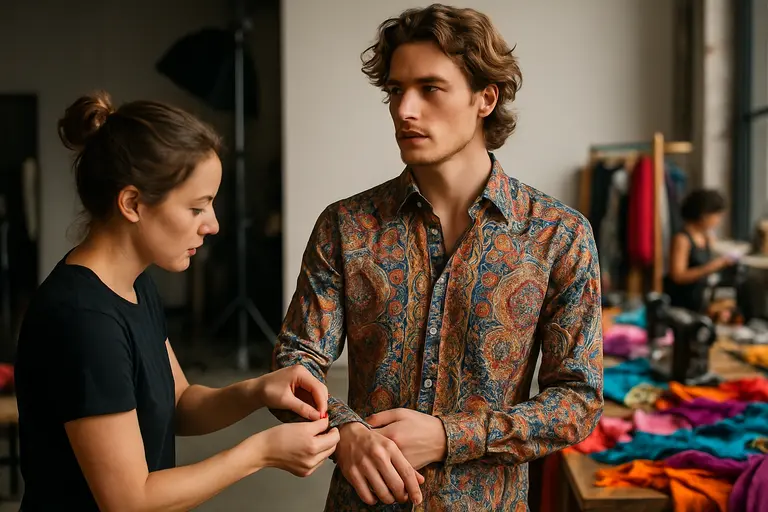
Elle’s Spring/Summer 2027 trend report described print-heavy outfits, including animal prints, stripes, and stacked color blocks, and also pointed to exaggerated dress-shirt cuffs at labels including Altuzarra and Fforme Elle trend report. That matters because it complicates the monochrome story. The season was not only about restraint; it also gave room to graphic impact and emphatic detail.
The technique question is how much detail a design can carry before it loses focus. An oversized cuff changes arm movement, sleeve weight, and the balance of a jacket or shirt. A stripe can reveal whether a side seam is twisting. A stacked color block requires clean joining and careful placement across the body. Animal print, used poorly, can overpower the wearer; used carefully, it can act as one controlled accent.
Used this way, NYFW SS27 trends become a practice method. Start with one variable. If testing a large cuff, keep the body of the shirt plain. If testing a print, keep the silhouette familiar. If testing stacked color, reduce accessories. This is the same discipline I would ask of a pianist working on tone: change one element, listen or look, then adjust.
Seasonal Style Decisions For Creators
From Runway Reference To Ethical Adaptation
Creators should treat runway images as reference, not as patterns to duplicate. The safer and more respectful route is to study broad elements: color ratio, sleeve volume, skirt length, layering weight, print scale, or styling rhythm. That protects the maker’s own voice and avoids presenting another designer’s recognizable work as a template.
For handmade sellers and small labels, the practical sequence is sample, test, edit, then release. A single monochrome capsule may be wiser than a large seasonal reset. A cuff detail can be offered as a limited variation. A straight skirt can be fitted across several bodies before being positioned as a core item. If uncertainty remains, reduce scale rather than increase risk.
Readers comparing technique across related creative subjects may also find the broader network at robsonic.org helpful. Exploring resources and methods shared within this network fosters practical knowledge through observation and repeated practice over mere trend-following.
Applying NYFW SS27 Trends In Studio Practice
The most useful NYFW SS27 trends point toward a disciplined seasonal method: begin with black and white, test almond as a softer neutral, study straight and midi lengths, examine maxi dress movement, and add print or cuff detail only after the base shape works. That approach keeps the runway in view without letting it dictate every choice.
For a designer, the assignment might be three samples: one monochrome dress, one straight or midi skirt, and one shirt with a measured cuff variation. For a stylist, it might be three looks: one strict black-and-white look, one print-led look, and one neutral look with a single strong accessory. For a small retailer, it might be a cautious buy built around proven basics with a few directional tests.
The value of the September 2026 shows is not that every viewer should dress the same way for Spring/Summer 2027. The value is that the runway provides a set of technical prompts. Color can be measured. Length can be fitted. Prints can be scaled. Cuffs can be tested for movement. Seasonal style improves when trend reading turns into concrete practice.