The most useful way to read fall gallery trends in U.S. exhibitions on October 11, 2026 is not as a race for novelty. It is better to ask what each show teaches about technique: how artists use gesture, light, photographic staging, material handling, surveillance systems, and spatial pressure to shape meaning. Some of the exhibitions discussed here opened in September 2026, several remained on view after October 11, and one opened later on November 21, 2026, so the timing needs to be handled carefully.
That technique-first approach is familiar to me as a piano teacher. A listener may describe a pianist’s sound as expressive, but the result comes from finger preparation, voicing, timing, pedal control, and listening. Visual art works in a parallel way. A viewer may notice atmosphere, identity, abstraction, or tension first; the deeper reading often begins when the method becomes visible.
The exhibitions below do not prove a single nationwide movement. The research sample is selective and centered on documented fall 2026 exhibitions. Still, it points to a strong pattern: many museums and galleries framed technique not as background craft, but as the subject of interpretation.
Fall Gallery Trends Start With Technique
Why Fall Gallery Trends Need Careful Timing
The phrase “upcoming” can mislead if it is not tied to dates. By October 11, 2026, many fall exhibitions had already opened. MoMA’s Taking Back Our Space: Photographic Perspectives opened on September 20, 2026 and was scheduled to run through May 2, 2027. Deana Lawson’s Edge Control opened at Gagosian on September 10, 2026 and was on view through October 24, 2026. The FotoFocus Biennial exhibition The Long View was held from October 1 through October 31, 2026. James Nizam’s Fata Morgana, by contrast, opened later, on November 21, 2026, at Marshall Gallery in Santa Monica.
That calendar spread matters because fall gallery trends are often discussed as if they arrive all at once. In practice, they overlap. Early September commercial shows, October biennial programming, museum exhibitions running into 2027, and late-November gallery openings can belong to the same fall conversation while asking different things from viewers.
For a nearby discussion of how temporary exhibitions can shape broader art debate, kaygranger.com’s piece on fall exhibitions and art conversation offers a useful parallel. The shared point is simple: exhibition framing affects how viewers understand technique, value, and context.
Bodies, Gesture, And Space At MoMA
At the Museum of Modern Art in New York, Taking Back Our Space: Photographic Perspectives placed technique close to bodily presence. The exhibition featured Marianne Wex’s 1977 project exploring gesture and gender alongside new works by seven artists. MoMA’s own description places the exhibition from September 20, 2026 through May 2, 2027, with the works engaging how bodies occupy space through photographic perspectives MoMA press page.
That is technique building in a direct sense. Gesture is not only something represented in an image; it can become the structure of the image. A hand position, seated posture, camera distance, or repeated bodily arrangement can carry an argument. The viewer has to slow down and ask how looking itself has been organized.
Photography As A Technical Argument
Surveillance, Vernacular Images, And Edge Control
Several fall 2026 exhibitions treated photography as a system of control, trust, memory, and staging rather than a neutral record. Deana Lawson’s Deana Lawson: Edge Control, her first solo show with Gagosian since signing in 2022, was on view from September 10 through October 24, 2026. The exhibition juxtaposed vernacular photography with stylistic cues from Old Master painting and included a new series responding to surveillance techniques, as listed in Aperture’s fall exhibition roundup.
That combination asks viewers to hold several image traditions at once. Vernacular photography can suggest domestic familiarity or informal record-making. Old Master cues can bring compositional weight, lighting expectations, and art-historical memory. Surveillance techniques introduce a different pressure: the image as observation, data, threat, or institutional gaze. The technique is not decorative. It changes the ethical temperature of the work.
Light, Portraiture, And The Long View
Other exhibitions in the research sample extended this technical argument. At the Boulder Museum of Contemporary Art, The Gravity of Light ran from September 24, 2026 through January 3, 2027 and brought together photography, video, drawing, and installation to examine how light modulates color, shadow, and spatial experience. At the Minneapolis Institute of Art, Take the Picture! ran from August 22, 2026 through February 28, 2027 and reframed portraiture through trust, timing, and staged composition.
The Cincinnati FotoFocus Biennial exhibition The Long View, held October 1–31, 2026, included artists such as Nancy Rexroth, Paul Mpagi Sepuya, and Trevor Paglen. The research notes connect works in that context to facial recognition technology, digital infrastructures, surveillance, and alternate reality gaming platforms. Read together, these examples show that fall gallery trends in photography were not only about image quality. They were about the conditions that make an image possible, persuasive, or unstable.
Material Process Across New York And Los Angeles
Folding, Knotting, Pigment, And Spatial Color
Technique was not limited to photography. Pace Gallery’s New York exhibitions Jackson Pollock: Intimate Legacy, Lynda Benglis: Knotting, Tying, Folding, Arlene Shechet: She Said She Said, and Torkwase Dyson: Seeing in Blue all ran from September 11 to October 24, 2026. The research notes identify these exhibitions with material techniques such as knotting clay, folding metal, abstraction in pigment, and spatial color relations.
Those verbs matter: knotting, tying, folding, seeing. They point toward process rather than only finished appearance. In a studio, technique is often where intention becomes testable. A painter, sculptor, or ceramic artist may begin with an idea, but the surface, pressure, weight, edge, and color relationship decide whether that idea holds.
For readers interested in how costume, fabric, and visual styling intersect with art culture, the related network site Fairy Tale Fashion offers a neighboring lens. The connection is not that gallery art and fashion objects are the same, but that both can make technique visible through material choices and bodily presentation.
Atmosphere And Optical Perception
Los Angeles and Santa Monica added another layer. David Lynch: LA at Pace Gallery ran from September 19 through December 22, 2026 and featured photographic series spanning multiple bodies of work. The research notes describe the show as foregrounding atmospheric tension and hybridized styles connected to Lynch’s film and visual art backgrounds.
At Marshall Gallery in Santa Monica, James Nizam: Fata Morgana opened on November 21, 2026 and ran through January 9, 2027. The research notes describe it as his first U.S. gallery exhibition and as a process-driven photographic project focused on optical mirages and reconfigurations of horizon and perception. Since that opening date came after October 11, 2026, it should be discussed as a later fall event, not as something already seen on that date.
What Viewers Can Learn From Technique Building
Look For Method Before Theme
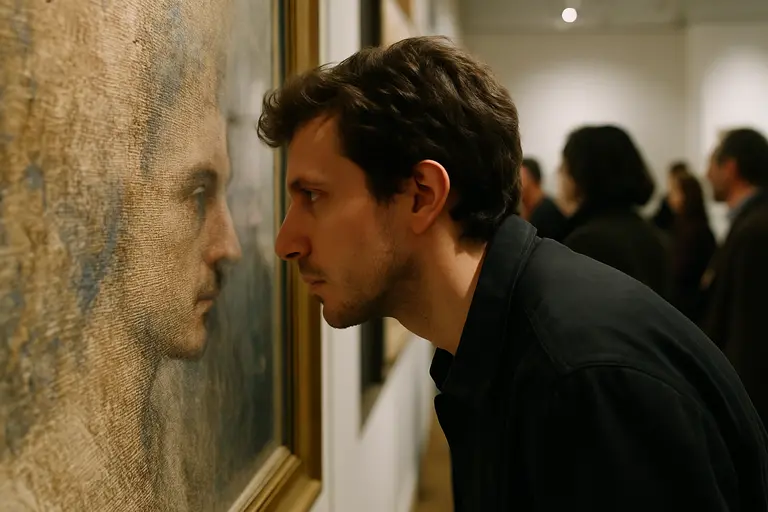
A practical viewing method can help. Before asking what an exhibition is “about,” ask how it is made. Is the artist using light as a subject, a tool, or both? Does the body appear posed, constrained, repeated, watched, or self-directed? Is the photograph borrowing from painting? Is the object asking you to read folds, knots, or surface pressure as evidence?
- Start with one visible decision: framing, lighting, material, scale, posture, or sequence.
- Ask whether that decision repeats across the exhibition.
- Compare the stated theme with the visible method.
- Notice where technique creates tension rather than resolving it.
This is where fall gallery trends become useful for artists, students, collectors, and general viewers. A trend is not valuable because it is fashionable. It becomes valuable when it sharpens attention. The viewer who can identify a technical decision is less likely to reduce an exhibition to a mood or label.
Borrow The Practice Model, Not The Style
Artists and students should be careful about influence. It is not responsible to copy a living artist’s recognizable style for commercial deception, and this article does not suggest that. A better lesson is to borrow the practice model. Lawson’s combination of vernacular, historical, and surveillance-inflected image systems can encourage a student to study how image sources carry authority. MoMA’s focus on gesture and spatial occupation can encourage a photographer to examine posture and framing. Material exhibitions can push makers to test how process changes meaning.
That is the same advice I give pianists. Do not imitate a performer’s surface mannerisms. Study the underlying discipline: phrasing, touch, pacing, voicing, and structure. In galleries, study framing, light, process, and spatial logic. Technique is not a shortcut to expression; it is the labor that makes expression legible.
Fall Gallery Trends As Studio Lessons
The most persuasive reading of fall 2026 U.S. exhibitions is cautious but clear: technique sat near the center of many documented shows. MoMA framed gesture and gender through photographic perspectives. Lawson’s Gagosian exhibition placed vernacular photography, Old Master cues, and surveillance response into contact. BMoCA treated light as a force shaping color, shadow, and space. FotoFocus addressed image systems tied to technology and digital infrastructure. Pace’s New York exhibitions foregrounded material action, while Los Angeles and Santa Monica exhibitions treated atmosphere, optical perception, and process as serious artistic problems.
None of that means every U.S. gallery moved in the same direction. The sample is too limited for that claim. It does support a more modest and useful reading: fall gallery trends in 2026 rewarded viewers who looked closely at method. The strongest lesson is not simply which artists or venues appeared on the calendar. It is that technique can function as argument, evidence, structure, and critique.
For students, makers, and careful viewers, that is enough to work with. Walk through the exhibition slowly. Identify the method. Ask what the method changes. Then ask whether the work could make the same claim without that technique. If the answer is no, the technique is not secondary. It is the piece thinking in public.