The 2026 Group Piano/Piano Pedagogy Forum gives piano students a useful lesson that reaches beyond college classrooms: practice improves when students stop treating the instrument as a completely private struggle. Piano is often taught one student at a time, one bench at a time, one lesson notebook at a time. That can be valuable, but it can also make beginners and returning adults feel isolated when rhythm, reading, coordination, or confidence breaks down at home.
The Music Teachers National Association listed the 2026 Group Piano/Piano Pedagogy Forum for August 7–8, 2026, at the University of Cincinnati College-Conservatory of Music. The event page described GP3 as a forum that has emphasized practical teaching since 2000, with goals that include sharing concrete day-to-day teaching ideas, discussing how the direction of the field affects professional development and teacher training, and planning for future needs in group piano and pedagogy.
For kaygranger.com readers, the practical takeaway is clear. Even if a student never joins a college group-piano class, the group-piano mindset can reshape home practice. Students can use shared routines, peer listening, short check-ins, duet-style rhythm work, and practice accountability to make daily piano work more focused and less lonely.
Group Piano Turns Practice Into A Shared Skill
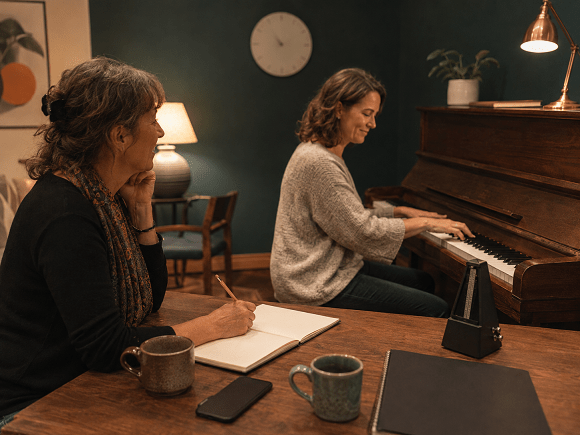
Traditional private lessons often make students think progress depends only on personal discipline. Sit down, practice alone, fix the problem, and return next week. But many musical skills are easier to understand when students hear and see others working through the same process.
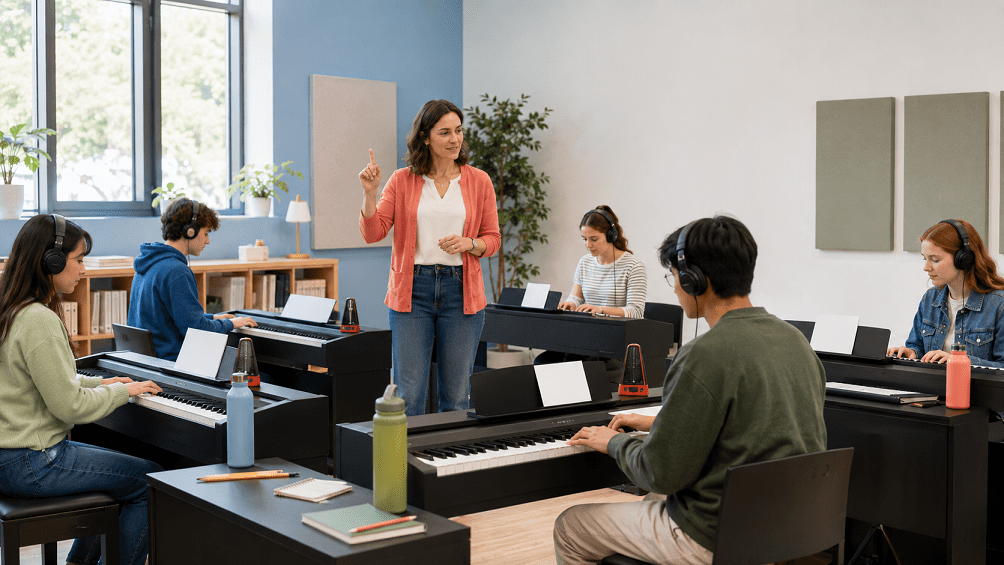
Group piano can normalize the messy middle of learning. One student may struggle with left-hand coordination. Another may hesitate before a rhythm change. Another may play notes correctly but lose pulse. In a group setting, those issues become teachable patterns rather than private failures.
That matters for beginners because self-criticism can grow quickly at home. A student who thinks, “I am the only one who cannot keep time,” may quit too early. A student who sees that rhythm is a shared challenge may become more patient.
The same idea applies to adult beginners. Adults often expect themselves to learn efficiently because they are mature in other areas of life. Piano does not work that way. Group-based thinking reminds adults that learning an instrument is physical, mental, and social.
The GP3 Lesson Is Practical, Not Academic
The MTNA event page says GP3 has emphasized practical teaching since 2000. That phrase matters. Piano pedagogy should not stay trapped in abstract teacher talk. It should become better assignments, better practice plans, and better feedback for students.
A practical group-piano lesson might ask students to clap a rhythm before playing it. It might have one student play a steady bass line while another plays melody. It might use short sightreading rotations so students learn to keep moving instead of freezing after one missed note.
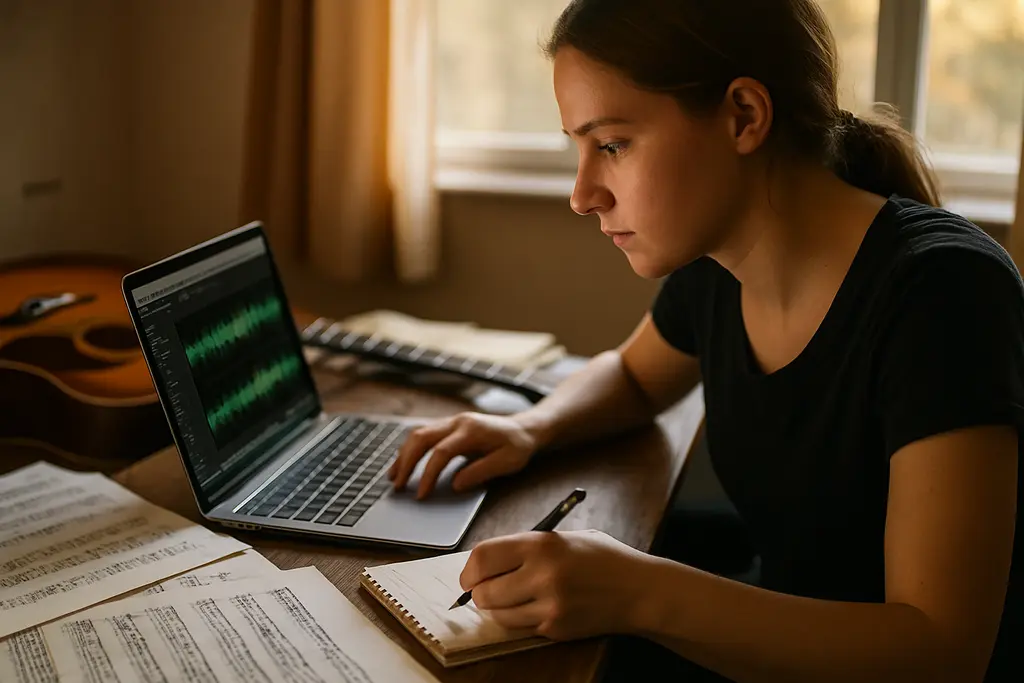
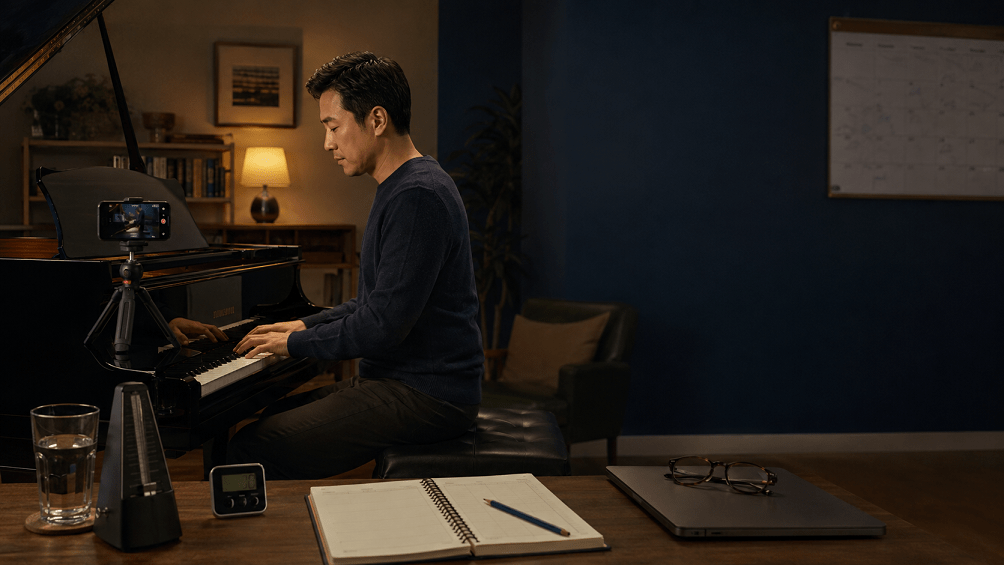
At home, the same approach can become a better routine. A student can practice rhythm away from the keyboard, record a short section, send a 30-second clip to a teacher, or play a duet part with a backing track. The goal is not to replace private lessons. The goal is to make practice more active.
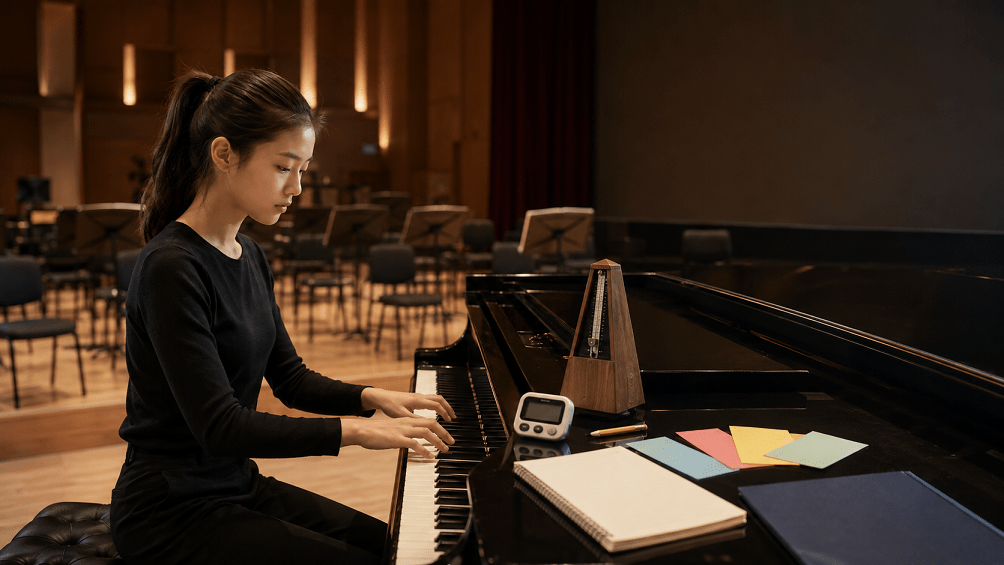
Students who want a smaller version can start with the same principle behind this 10-minute piano practice routine: divide practice into clear tasks instead of drifting through the same piece from the beginning.
Why Beginners Need Practice Accountability
One hidden advantage of group piano is accountability. Students know they will play, listen, respond, and try again. That changes how they practice.
Accountability does not need to be harsh. It can be simple. A beginner might agree to record one scale every Friday. Two adult students might meet once a month to play short pieces for each other. A family member might listen to one polished section instead of asking for a full concert.
The point is to give practice a destination. Many students lose focus because no one hears the work between lessons. A small accountability habit makes progress visible.
There is also a digital boundary lesson here. If a student practices with a phone nearby, the phone should have one job: timer, metronome, recording device, or backing track. It should not become a doorway into unrelated scrolling, shopping, streaming, or pages where people play online slots. Group-piano thinking helps here because practice becomes a scheduled activity with purpose, not a casual background task.
A Group-Piano-Inspired Home Routine
Students can borrow group-piano structure even when practicing alone. The routine should include rhythm, reading, listening, playing, and reflection.
| Practice Block | Time | Group-Piano Idea |
|---|---|---|
| Pulse Check | 3 minutes | Clap or tap before playing |
| Pattern Reading | 5 minutes | Notice intervals, chords, and repeated shapes |
| Main Piece Repair | 10 minutes | Fix one small section slowly |
| Listening Task | 5 minutes | Record and hear one specific detail |
| Performance Share | 5 minutes | Play for someone or save a weekly clip |
This routine works because it prevents passive repetition. The student is not just playing a piece again. They are checking pulse, seeing patterns, solving one problem, listening back, and preparing to share a result.
That is a more social way to practice, even when the student is alone.
Teachers Can Use The Group Model In Private Lessons
Private teachers do not need a full lab of keyboards to use group-piano ideas. They can bring group thinking into one-on-one lessons.
A teacher might create “shared challenge” language: many students rush this rhythm, many students tense here, many students forget this fingering when the left hand changes. That helps the student feel less personally defeated.
Teachers can also assign duet-style practice. If the student struggles with tempo, the teacher can record a simple accompaniment or count-in track. If the student struggles with sightreading, the assignment can include short daily reading exercises instead of only repertoire polishing.
MTNA’s 2026 webinars also show the same practical direction. Its 2026 webinar page included sessions on studio systems, communication, improvisation, wellbeing, chord symbols, and healthy motion. Those topics point toward a broader view of piano learning: technique, creativity, mindset, and structure all matter.
Parents Should Listen For Process, Not Perfection
Parents can support group-piano-style practice by listening differently. Instead of asking for a finished performance every time, they can ask for the task.
For example: “Show me the rhythm you fixed,” or “Play the left-hand pattern by itself,” or “What did your recording tell you?” These questions reward process. They also reduce the pressure that makes some students afraid to play at home.
A short weekly family performance can help, but it should be predictable and kind. One small piece, one repaired section, or one duet is enough. The goal is confidence through repetition, not pressure through judgment.
Why Group Piano Matters For Solo Musicians
Piano will always involve private work. No group can replace the slow personal effort of learning notes, shaping sound, training hands, and building memory. But the 2026 GP3 Forum reminds students that piano learning does not have to feel solitary.
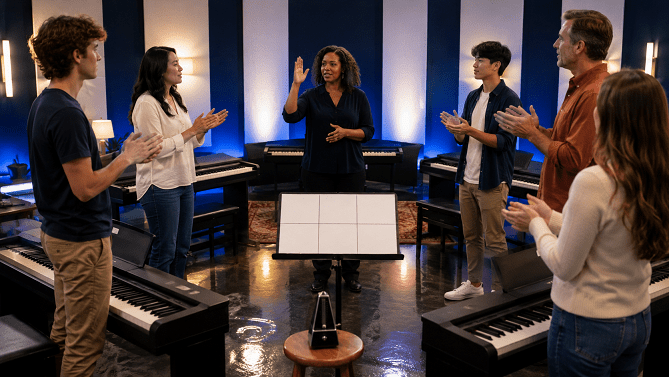
Group piano teaches students to listen outward, keep pulse with others, notice common problems, and practice with a purpose. Those habits make home practice stronger.
The best piano routine is not only longer. It is more connected. It connects rhythm to movement, reading to sound, listening to correction, and private work to shared musical growth.
That is why MTNA’s 2026 GP3 Forum matters for everyday piano students. It shows that better practice is not just about sitting alone for more minutes. It is about building a learning system that keeps students engaged, accountable, and musically connected.