For decades, the path to mastering a new song on the piano followed a rigid, analog formula: buy the sheet music, sit with a metronome, and spend weeks deciphering notation before hearing the melody take shape. In 2026, that barrier to entry has largely vanished. The rise of sophisticated piano learning apps has transformed song tutorials from static pages into interactive, responsive experiences.
Today, platforms like Flowkey, Simply Piano, and Skoove are not just supplemental tools; they are the primary “instructors” for millions of adult hobbyists and returning learners. By leveraging real-time pitch recognition and MIDI connectivity, these apps have solved the greatest challenge for beginners: the lack of immediate feedback.
The Shift From Passive Watching to Active Interaction
In the early days of online music education, students relied on “video synthesia” tutorials—falling colored bars on YouTube that showed which keys to press. While visually helpful, these were passive. If a student played a wrong note or fell behind the beat, the video kept rolling.
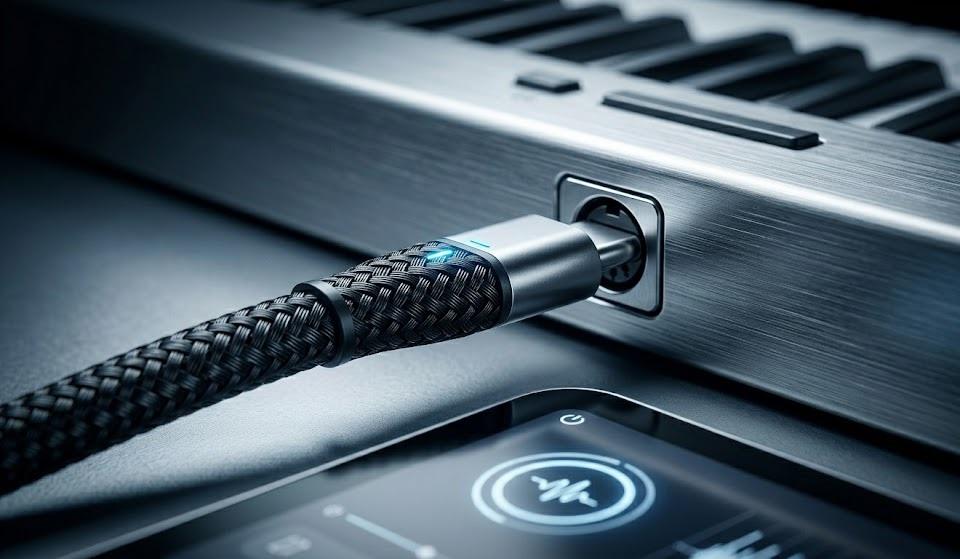
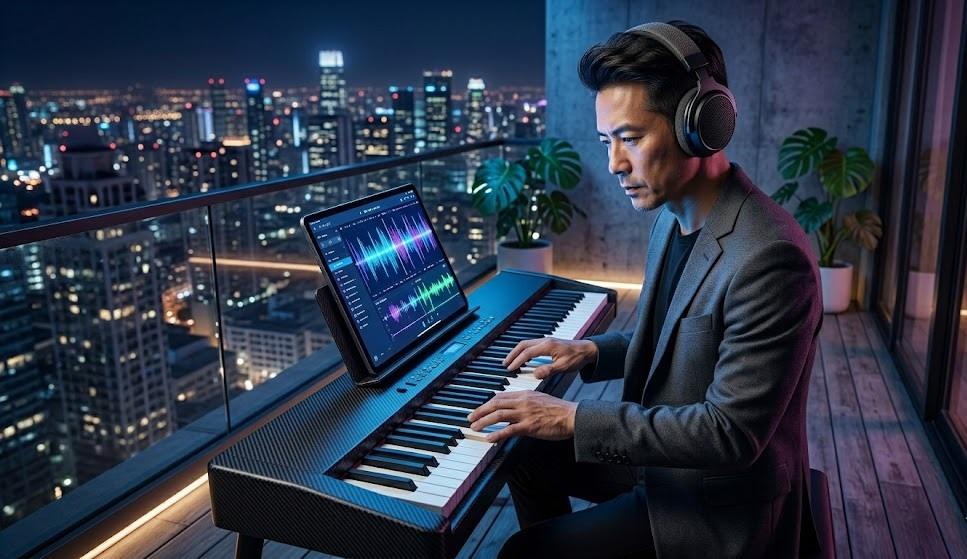
Modern apps have replaced this with “Wait Mode” and “MIDI Handshaking.” When you use an app like Flowkey in 2026, the software utilizes your tablet’s microphone or a direct USB-MIDI connection to “listen” to your performance. The scrolling sheet music literally stops and waits for you to hit the correct pitch before moving forward. This creates a psychological safety net, allowing beginners to tackle complex pop arrangements or classical sonatas without the frustration of getting lost in the measures.
Comparative Features of Leading 2026 Piano Apps
The market has matured significantly, with different apps catering to specific learning styles. Choosing the right one often depends on whether a player values “gamification” or a more traditional “sheet music” approach.
| Feature | Simply Piano | Flowkey | Skoove |
| Primary Focus | Gamified, fast-paced progression | Song-based, visual notation | Theory-heavy, AI-driven feedback |
| Best For | Absolute beginners & children | Adult hobbyists & song lovers | Students wanting deep theory |
| Feedback Tech | Acoustic & MIDI recognition | High-precision MIDI & Audio | AI-based rhythmic analysis |
| Learning Curve | Low (instant gratification) | Moderate (song-centric) | Moderate (lesson-centric) |
While Simply Piano remains a leader for those who need a high-dopamine, game-like environment to stay motivated, Flowkey has carved out a niche for those who want to feel like they are playing “real” music from day one. In 2026, Flowkey’s library has expanded to include over 5,000 licensed titles, offering a bridge between casual play and serious piano coordination drills that are necessary for long-term growth.
The Role of AI and Hand Tracking in Modern Tutorials
The most significant technological leap in 2026 is the integration of computer vision and AI-driven motion analysis. Leading innovators in the space, such as ROLI and their AI Music Coach, have moved beyond simply tracking notes.
Newer software can now use a smartphone camera to monitor a student’s hand posture and finger curvature. Historically, apps were criticized by traditional teachers for allowing students to develop “flat fingers” or poor wrist tension because the software only cared if the right MIDI note was triggered. The current generation of apps addresses this by providing “Technique Alerts,” pausing the song tutorial if it detects the player’s wrists are dropping or if they are using the wrong fingering for a scale.
Gamification Versus Classical Pedagogy
There is a continuing debate in the piano community regarding whether gamified apps “cheapen” the learning process. However, recent 2026 educational research suggests that game-based learning (GBL) significantly improves retention rates for adult beginners.
The “Quest” or “Mission” structure found in apps like Yousician turns boring technical exercises into challenges where players earn stars and level up. This approach effectively bypasses the “practice fatigue” that often causes new players to quit within the first six months. By breaking a song down into small, 30-second “loops” with incremental speed increases, apps make the process of learning a difficult passage feel like beating a level in a video game rather than a chore.
Integrating Apps Into a Professional Practice Routine
Despite their power, apps are most effective when used as a component of a broader strategy. Relying solely on the “falling notes” interface can lead to a dependency where the student cannot read standard sheet music away from the screen.
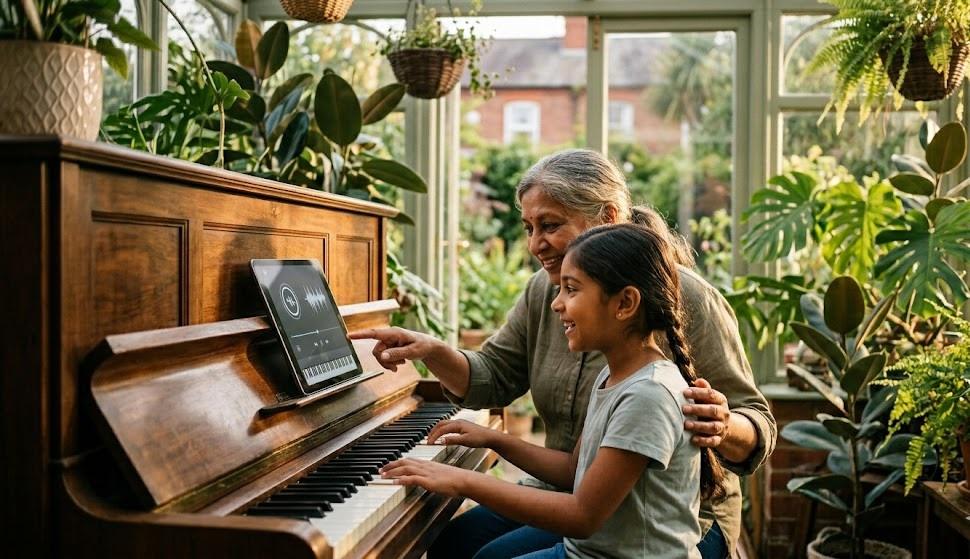
To counteract this, the most successful 2026 learners use a hybrid approach. They might use Simply Piano for 15 minutes of sight-reading practice and then transition to Flowkey to master a specific pop song. This diversity ensures that the player is developing both their “musical ear” and their technical literacy. The convenience of having a “teacher” available 24/7 on a tablet means that practice sessions can be more frequent, even if they are shorter.
The Future of Song-Based Learning
The way songs are taught on the piano has shifted from a one-size-fits-all model to a highly personalized, data-driven journey. With the introduction of “smart” digital pianos that sync natively with these apps, the friction between the instrument and the instruction has reached an all-time low.
Whether you are looking for a quick way to play the latest viral hit or a structured path toward classical mastery, the app ecosystem of 2026 provides the tools to get there. The key to success remains the same as it was a century ago: consistent, deliberate practice. However, with modern technology providing instant feedback and engaging tutorials, that practice has never been more accessible or enjoyable.