The Daisy Chain Fields festival took place on Saturday, August 29, 2026, at Great Park in Irvine, California, and by October 1, 2026, it can be read as a completed case study in how pop music, visual culture, and activist messaging can share the same temporary site. The event’s aesthetic was not just decorative. It used flowers, punk references, handwritten messages, stage design, and attendee fashion to make political participation feel visible, social, and physically present.
That matters because festival style is often treated as surface: outfits, color palettes, photo areas, and merch. Here, the available reporting points to a more layered structure. The festival raised $20 million for ten nonprofits supporting women and girls after Olivia Rodrigo’s initial $10 million donation was matched onstage by Melinda French Gates, and it drew more than 45,000 attendees, according to FestForums. Those figures shaped the visual story. The art had to carry celebration and urgency at the same time.
How Daisy Chain Fields Framed Activism
Daisy Chain Fields As A Temporary Civic Space
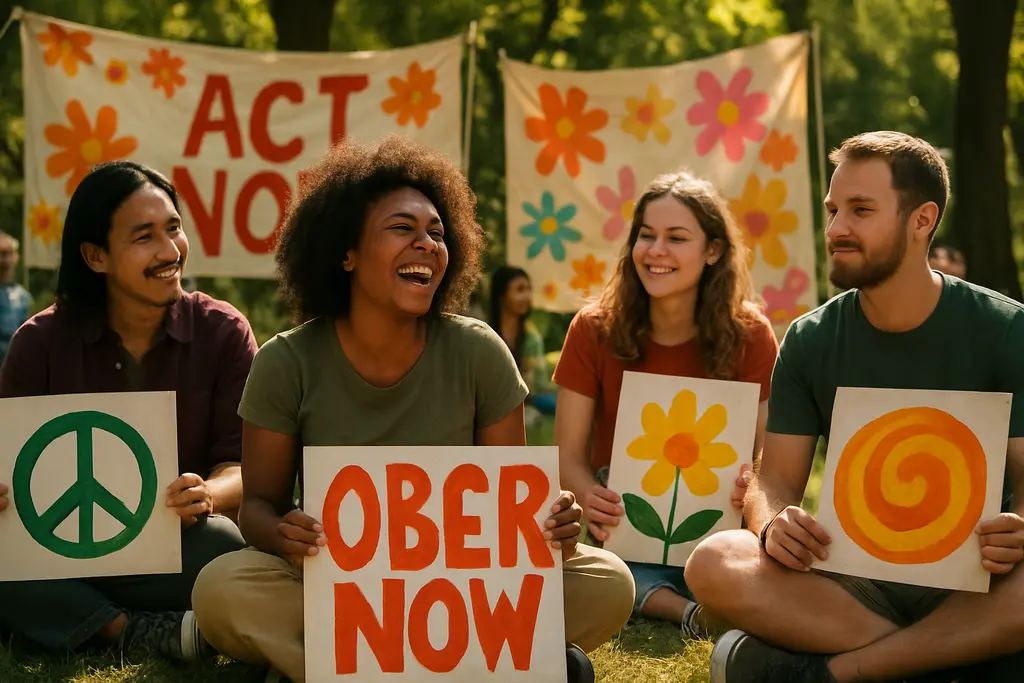
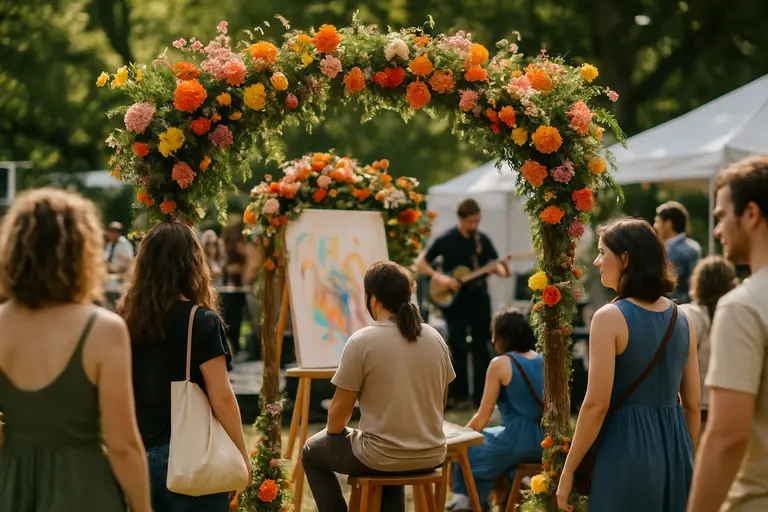
The strongest aesthetic choice at the festival was its use of softness without surrendering political force. Daisies, flower crowns, paper-mâché florals, and bright stage environments suggested care, collectivity, and youth culture. At the same time, the festival used direct activist language, including slogans such as “Reproductive Rights Are Human Rights” and “Bans Off Our Bodies” on giant pins near stage spaces. That pairing gave the event its visual tension: a floral surface carrying a confrontational message.
At Daisy Chain Fields, the festival field worked like a temporary civic site. A concrete walkway reportedly carried quotations by historical women activists, including Angela Davis, Audre Lorde, and Maya Angelou. That detail matters because it shifted the audience’s movement through the grounds into a form of reading. Guests were not only moving between sets; they were passing through short fragments of political memory.
Donation, Labor, And Visual Trust
The reported fundraising model also affected how the aesthetics could be read. FestForums reported that all acts on the roster performed for free and that 100% of net proceeds were directed toward the charitable mission. That does not automatically make every brand activation or visual choice above critique, but it does give the event a clear philanthropic frame. When a festival asks attendees to connect style with justice, the money trail becomes part of the design logic.
The roster named in the research ranged from younger and contemporary performers, including Doechii and Chappell Roan, to established artists such as Stevie Nicks, Bikini Kill, Garbage, and Sarah McLachlan. That range helped make the aesthetic feel intergenerational rather than locked to one age group. It also allowed the festival to place riot grrrl history beside newer pop and rap performance languages.
Floral Softness, Punk Friction
Riot Grrrl Memory In Public Form
The festival’s punk references were not limited to clothing. The research describes an exhibition titled Grrrl Germs: Punk Feminism Goes Viral 1991-2026, with flyers, zines, manifestos, and listening stations. That kind of display matters because it treats activist music culture as an archive, not just a mood board. Zines and flyers have specific histories as low-cost, self-published media. In a festival setting, they can remind audiences that feminist music communities were built through handmade circulation as much as through stage performance.
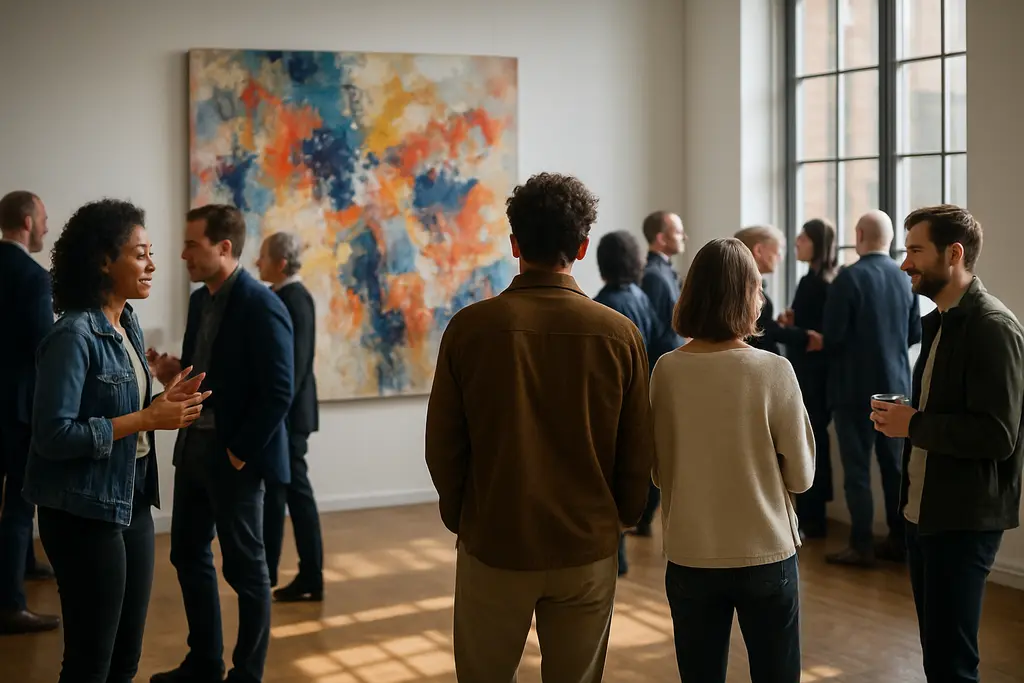
Guerilla Girls also appeared through a “Complaints Department,” described as a freestanding chalkboard wall where festival-goers wrote slogans and grievances. Pitchfork reported on that participatory installation in its account of the festival’s peace, love, unity, and Rodrigo framing at Pitchfork. The chalkboard format was significant because it resisted polish. A scrawled public complaint looks different from a designed poster; it preserves anger, humor, and imperfection.
Flowers Without Innocence
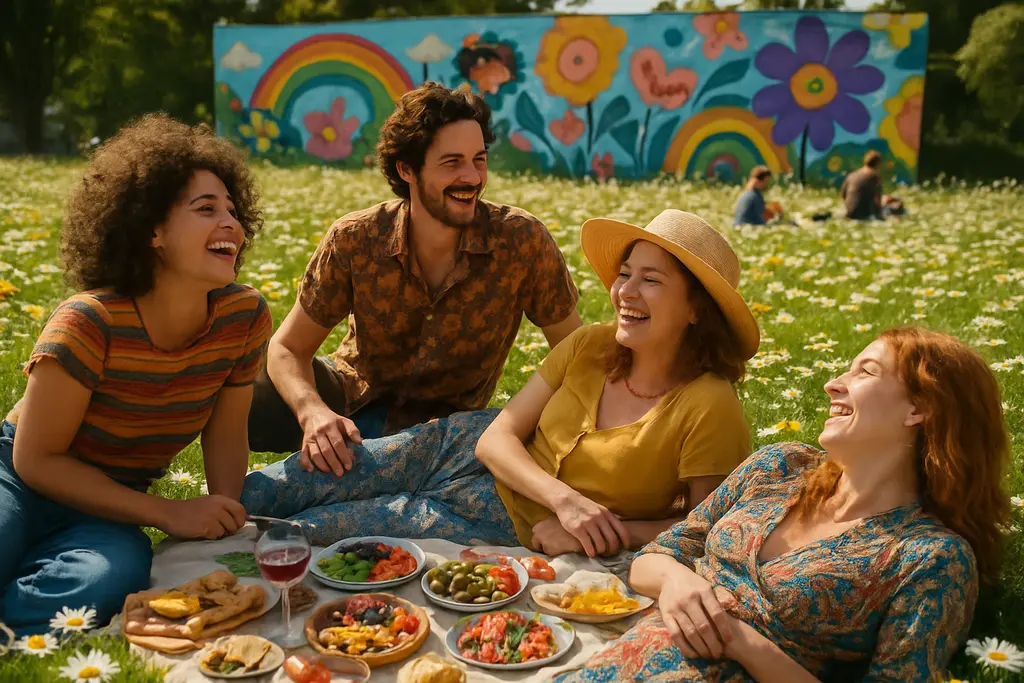
Floral imagery can easily become decorative shorthand for sweetness. Here, the daisies and flower crowns worked differently because they sat beside abortion-rights language, punk archives, feminist slogans, and protest-style signage. The result was not a simple “soft girl” festival image. It was closer to a conflict between tenderness and refusal.
That conflict is familiar in music history. Riot grrrl aesthetics often mixed childlike lettering, collage, dresses, boots, distortion, and anger. The research notes that attendees wore babydoll dresses, band merch, feminist-message tees, florals, handcrafted accessories, sparkle, jeans, and leather boots. The fashion did not erase politics; it gave politics more social entry points. A handmade patch or slogan tee can operate as an outfit choice and a public statement at the same time.
Fashion As Participation, Not Just Costume
Heat, Practicality, And Maximalism
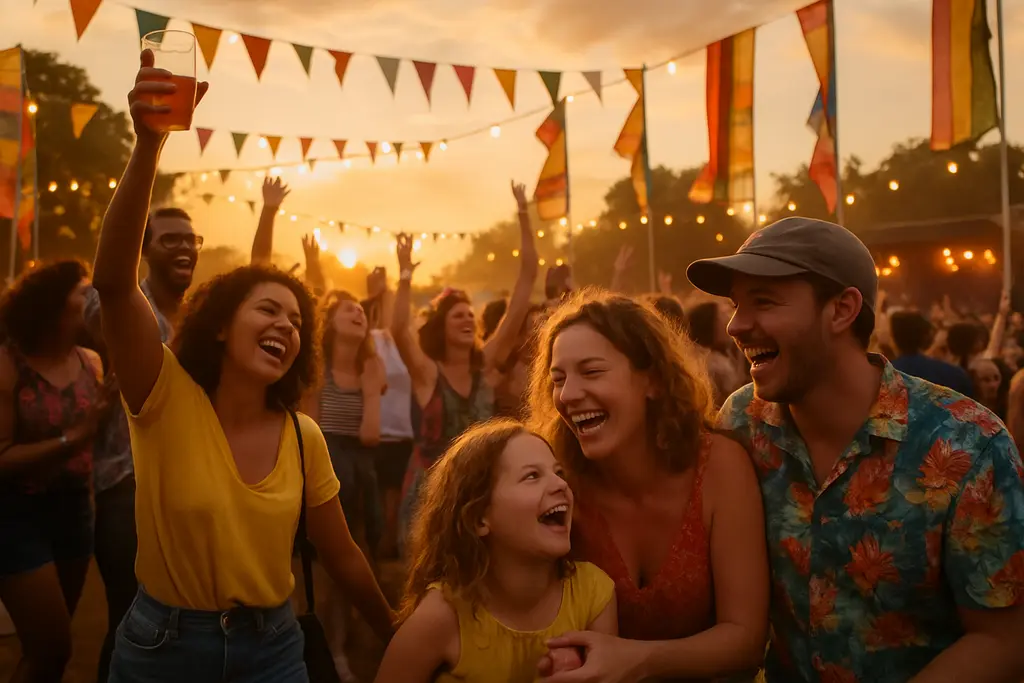
The reported heat, with temperatures above 103°F as artists arrived onstage, makes the fashion choices more complicated. Sparkles, eye makeup, layered accessories, boots, and thrifted dresses were not purely comfortable choices under those conditions. They suggest that many attendees treated dressing up as part of participation. That does not mean comfort was irrelevant. It means the visual codes carried enough social weight that people adapted rather than abandoning them.
For a related reading of the event’s clothing codes, heat-aware festival styling offers a closer look at floral dress, feminist staging, and cautious sustainability cues after the August 29 event. Readers who compare arts and culture coverage across the same publishing network may also find the website Next Clues helpful for similar entertainment insights.
Two Stages, Two Style Signals
The dual-stage setup also supported different fashion energies. The “Marigold” stage reportedly leaned toward rock, with edgier DIY style signals such as crochet, mohawks, and circle-pit-ready boots. The “Dandelion” stage hosted more pop-oriented acts, which the research connects with brighter and more stylized outfits. That division did not create a hard boundary. Instead, it gave attendees a way to shift between musical identities during the day.
For music instructors and writers, that kind of stage separation is worth noticing. Sound, fashion, and spatial design can teach audiences how to listen. A rock-leaning stage framed by punk-inflected style cues prepares bodies for shouting, jumping, and rougher movement. A pop-oriented stage can invite choreography, color coordination, and communal singing. The aesthetic choices shape behavior before the first chorus lands.
Branding, Protest Language, And Caution
Corporate Pop-Ups Inside Activist Space
The research describes corporate activations that borrowed from protest art, including a Taco Bell pop-up with pink and floral signage. That is one of the more delicate parts of the festival’s aesthetic. Protest language can gain reach when it enters popular spaces, but it can also lose force when filtered through branded photo opportunities. A cautious reading should hold both possibilities in view.
There is no need to assume bad faith to ask the question. Once protest signs, chalkboards, florals, slogans, and corporate props share a site, the audience has to decide which images feel like solidarity and which feel like style borrowing. The strongest parts of the festival appear to be those that invited participation rather than passive consumption: wish writing, complaint boards, zine archives, and clothing made or altered by attendees.
Why The Aesthetic Worked Best When It Asked For Action
Yoko Ono’s “Wish Tree,” as described in the research, invited guests to write wishes and tie them to trees. Reported wishes ranged from equal pay and free Palestine to personal goals. This kind of installation can be modest in form but powerful in social effect because it turns private language into a visible collective field. A wish is not the same as a policy demand, yet it can mark what people feel permitted to say together.
That is where Daisy Chain Fields seemed most persuasive as a temporary festival project. Its most meaningful aesthetic gestures were not simply pretty or rebellious. They gave attendees small actions: write, tie, complain, wear, read, gather, sing. The visual culture worked when it made participation legible.
Art And Activism At Daisy Chain Fields
What The Festival Leaves For Artists And Organizers
The lasting lesson of Daisy Chain Fields is that activist festival aesthetics need structure, not just symbols. Flowers alone do not create care. Punk references alone do not create solidarity. Donation totals alone do not create trust. The event’s strongest reported choices linked all three: philanthropic commitments, intergenerational music booking, participatory installations, and attendee-driven fashion.
For artists, designers, teachers, and small festival organizers, the model is useful but not easy to copy. The scale, celebrity involvement, and fundraising numbers were exceptional. What can be adapted is the principle: let the visual language match the ethical claim. If a festival claims community, give people ways to contribute. If it invokes feminist history, show the archives and name the lineage. If it uses softness, do not strip away anger. The August 29, 2026 event showed that a temporary field can hold music, grief, pleasure, and public argument at once, as long as the design lets those forces remain visible.