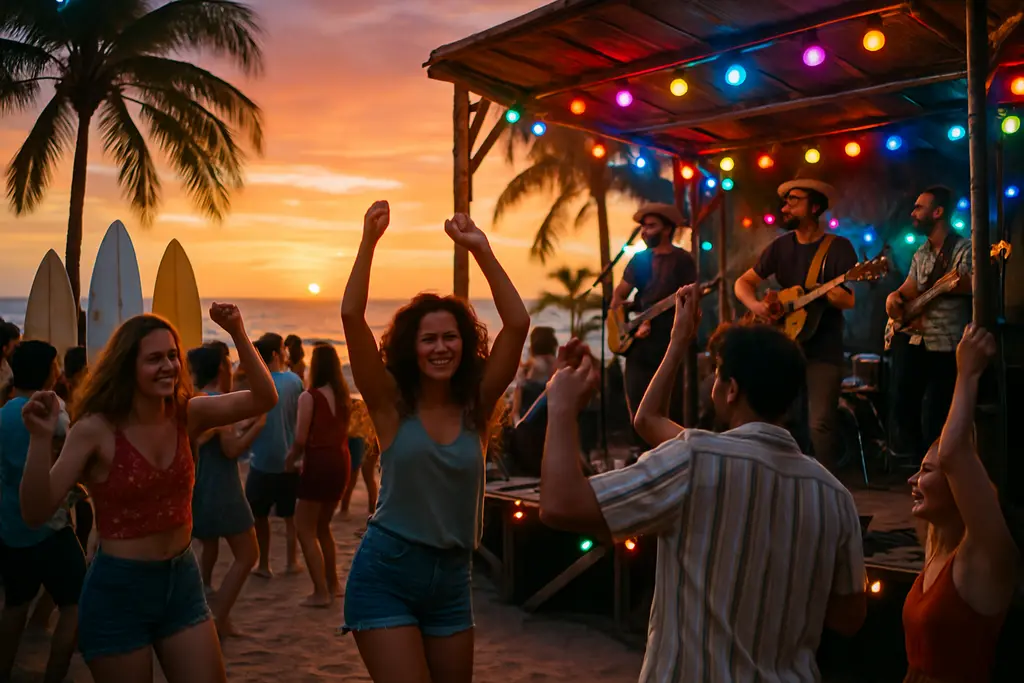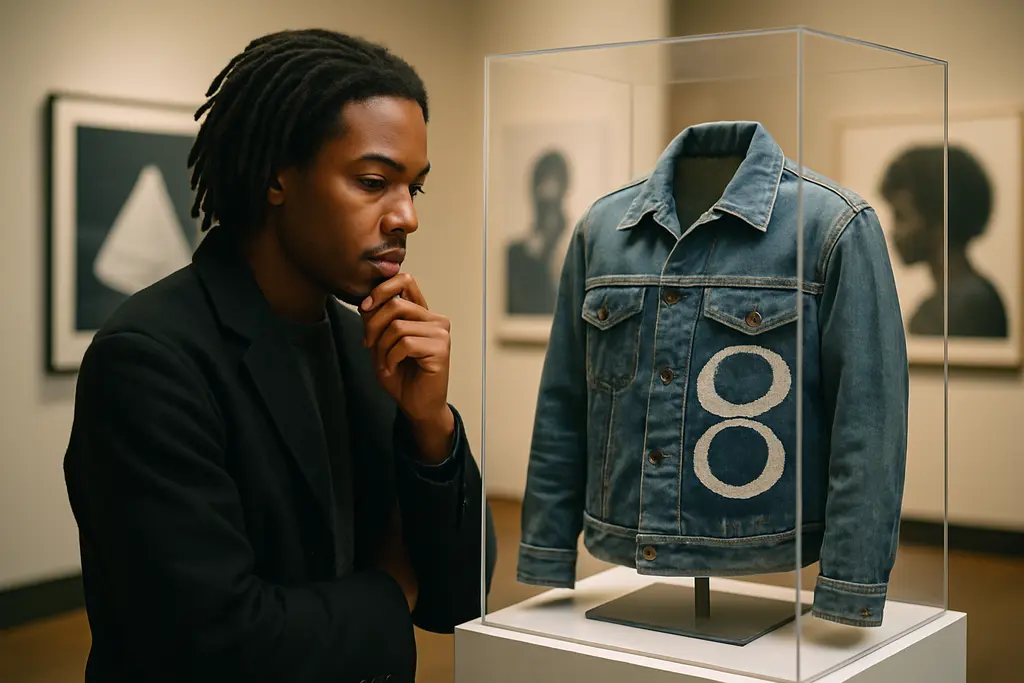


The Daisy Chain Fields aesthetic was not only a matter of florals, boots, and stage-side outfits. After the inaugural Daisy Chain Fields Festival took place on August 29, 2026, in Irvine, California, its visual identity read as a careful mix of folk-coded softness, feminist music history, practical heat dressing, and selective sustainability messaging. The event’s all-female lineup and donation model gave that style a clear cultural frame, rather than leaving it as a simple festival fashion mood.
The strongest reading is also the most cautious one. “Folk culture” at Daisy Chain Fields should not be treated as a claim that the festival represented a single traditional folk lineage. Based on the available reporting, the folk element appeared more through shared visual language: daisies, embroidered references, handmade-looking accessories, zines, soft silhouettes, and collective rituals of dress. Those choices sat beside punk, pop, riot grrrl, and corporate festival infrastructure, which makes the event more layered than a rustic revival.
Reading The Daisy Chain Fields aesthetic
Daisy Chain Fields aesthetic As A Dress Code
The Daisy Chain Fields aesthetic worked because it allowed contradiction. Floral crowns and babydoll dresses suggested softness, while leather boots, protest pins, feminist slogans, and band references pulled the look toward punk and political self-definition. That blend fit the reported lineup, which included Olivia Rodrigo alongside artists associated with different eras and modes of women-led rock, pop, and alternative music.
Vogue reported that Rodrigo wore a Palestinian Tatreez-embroidered dress by Nöl Collective for the festival, with daisies and birds incorporated into the garment’s symbolism Vogue’s festival look report. That single look matters because it placed craft, identity, and political meaning close to the center of the event’s visual story. It also shows why the festival’s style should not be flattened into “cute” imagery. Embroidery, motif, and dress can carry cultural meaning, especially when presented in a high-visibility performance setting.
Many attendee trends described in the research notes—floral accessories, boho references, Y2K elements, babydoll silhouettes, and rock footwear—belong to familiar festival styling. What made them specific here was context. Daisy chains were not just decorative. They connected to the festival name, to ideas of mutual support, and to a visual vocabulary of women-centered gathering.
Folk Signals Without Folk Flattening
Calling the event folk-influenced requires care. Folk aesthetics often involve handwork, local memory, intergenerational exchange, and communal participation. Daisy Chain Fields appeared to borrow some of those signals through embroidery, handmade-looking styling, wish-based participatory art, zine culture, and daisy motifs. Yet the festival also existed as a large music event with branded activations, major artists, merch, and a sold-out crowd.
That tension is not automatically a flaw. Festival culture often places sincerity and commerce beside each other. The more useful question is whether the visual codes helped attendees understand the event’s stated values. In this case, the women-led lineup, nonprofit donation structure, and protest-inflected clothing gave the floral styling a firmer social frame than a generic flower-field fantasy.
Feminist Lineup, Style, And Cultural Memory
Why The Lineup Shaped The Look
The festival’s all-female lineup shaped how fashion was read. Research notes identify Bikini Kill, Garbage, and Mitski among the acts, placing riot grrrl, alternative rock, and contemporary indie-pop sensibilities near one another. That matters because the clothes at a music festival often respond to who is onstage. A floral dress at a generic outdoor concert can feel pastoral. A floral dress at a women-led event with punk lineage can become sharper, especially when paired with boots, pins, or slogan shirts.
Harper’s Bazaar described the inaugural event as taking place in Irvine and noted the heat and physical conditions that shaped the day’s experience Harper’s Bazaar’s festival review. That environmental detail matters for style analysis. Aesthetic choices were not made in a vacuum. Mid-90s Fahrenheit heat, paved areas, grass, crowds, and long hours made breathable fabrics, hats, sunglasses, and practical footwear part of the visual field.
Intergenerational Feminist Signals
The reported cross-generational audience is central to the festival’s cultural reading. Teen attendees, young adults, and older fans could attach different meanings to the same symbols. For some, riot grrrl references may connect to feminist punk history. For others, the strongest reference may be contemporary pop performance, queer-coded camp, or social-media-era outfit documentation.
This is where the Daisy Chain Fields aesthetic becomes more than a trend board. It held multiple time periods at once: 1990s punk references, 2000s nostalgia, embroidered craft traditions, and current festival styling. None of those elements should be treated as identical, but their coexistence gave the event a clear visual grammar.
Sustainability Cues And Practical Limits
Eco-Minded Gestures In A Large Festival Setting
The research notes describe reusable water bottles, refill stations, and eco-minded entry logistics. Those details support a limited claim: the festival included sustainability gestures in its operations. They do not, by themselves, prove a low-impact event. Large festivals involve travel, energy use, staging, food service, merchandise, and waste streams that cannot be fully judged from style reporting alone.
Still, the visible sustainability cues shaped attendee behavior and aesthetics. A reusable bottle becomes part of the outfit. A practical bag policy changes what people carry. Heat-aware dressing changes silhouettes. In that sense, sustainability at Daisy Chain Fields was not only a backstage operations issue; it appeared in the physical habits of attendance.
Heat, Comfort, And The Look Of Care
One of the most convincing aesthetic lessons from August 29, 2026, is that care can be visible. Hats, sunglasses, loose dresses, lighter fabrics, and refillable bottles all signal attention to bodies in heat. That may sound ordinary, but it pushes against a festival norm where visual spectacle can outrank comfort.
The better version of festival style does not punish the wearer. It lets people stand, walk, sing, rest, and recover. The Daisy Chain Fields aesthetic made room for that kind of practical beauty, even when some choices—such as boots in hot weather—still reflected the pull of rock styling over pure comfort.
Creator Commerce, Merch, And Rights Awareness
What Sellers Can Learn Without Copying
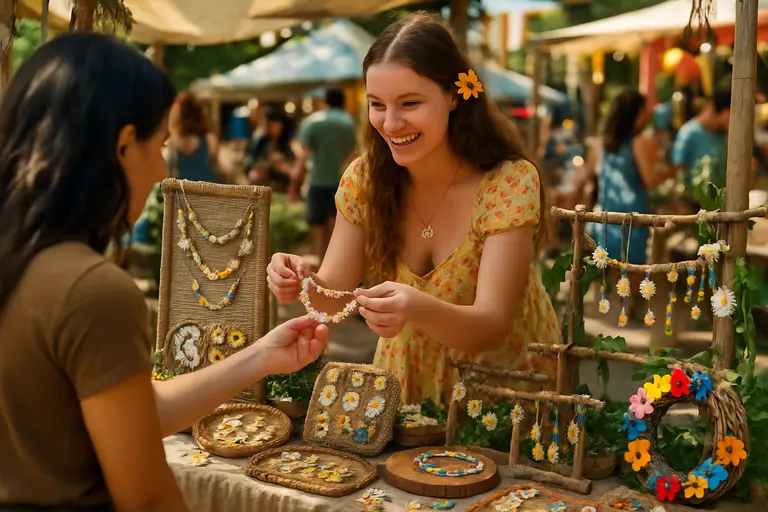
For makers, stylists, and small sellers, Daisy Chain Fields offers useful clues but not a license to copy protected imagery, artist likenesses, or event branding. The safer lesson is conceptual: combine comfort, craft references, feminist messaging, and durable accessories without implying official affiliation. A seller can study why daisies, embroidery-inspired texture, recycled materials, or zine-like presentation resonated, while still creating original work.
This connects to broader reporting on summer music festivals and cultural commerce, where festival style, merch, and local spending often overlap. Readers comparing handmade markets, festival booths, and creator culture may also find related culture coverage at Shimply useful, especially where aesthetics and small-scale selling meet.
- Use floral or daisy-inspired motifs as original design language rather than event branding.
- Treat feminist slogans with care, especially if borrowing from living movements or specific organizations.
- Prioritize breathable fabrics, repairable accessories, and reusable packaging where practical.
- Avoid suggesting endorsement by performers, festivals, or nonprofits unless permission is clear.
That last point is not legal advice. It is a practical reminder that culture-facing products carry ethical and commercial risk when they borrow too directly from artists, activists, or communities.
Daisy Chain Fields aesthetic After August 29
The Daisy Chain Fields aesthetic is best understood as a post-event case study in how music festivals create visual meaning. On August 29, 2026, the event joined women-led performance, floral symbolism, punk memory, embroidered references, heat-aware dressing, and selected sustainability practices. Some of those elements were deeply expressive; others were familiar features of modern festival commerce.
Its strongest contribution was not a single outfit formula. It was the way attendees and performers used style to hold softness and resistance together. Daisies, boots, babydoll shapes, slogans, embroidery, refill bottles, and participatory art all pointed toward a festival identity built from care, performance, and collective visibility. The Daisy Chain Fields aesthetic will be most useful to musicians, designers, and culture observers when treated with that balance: visually appealing, politically framed, commercially mediated, and still dependent on the lived choices of the people who showed up.