
American Craft Narratives are not abstract museum language at OBJECTS: USA. They sit in wood, clay, metal, fiber, jewelry, furniture, and household forms that ask viewers to take handmade objects seriously as cultural evidence. As of October 22, 2026, the exhibition has already opened at the Museum of Craft and Design in San Francisco, so the more accurate question is not what it might become, but what kinds of discussion it has made possible during its temporary run.
The exhibition has been on view since September 5, 2026 and continues through January 17, 2027. The Museum of Craft and Design lists the show as including more than 70 works, with historic figures such as Wendell Castle, George Nakashima, and Art Smith shown alongside contemporary makers including the Haas Brothers, Roberto Lugo, Tanya Aguiñiga, and Nicole Cherubini; it is organized with R & Company and supported by the National Endowment for the Arts as part of Craft in America’s Handwork: Celebrating American Craft 2026 MCD exhibition page.
That mix matters because craft is often discussed through categories that can flatten it: function, decoration, domestic labor, design, collectible object. OBJECTS: USA offers a sharper frame. It asks how an object can carry memory, skill, social pressure, humor, defiance, comfort, and national symbolism without needing to stop being an object.
American Craft Narratives In A Temporary Exhibition
Why American Craft Narratives Need Objects
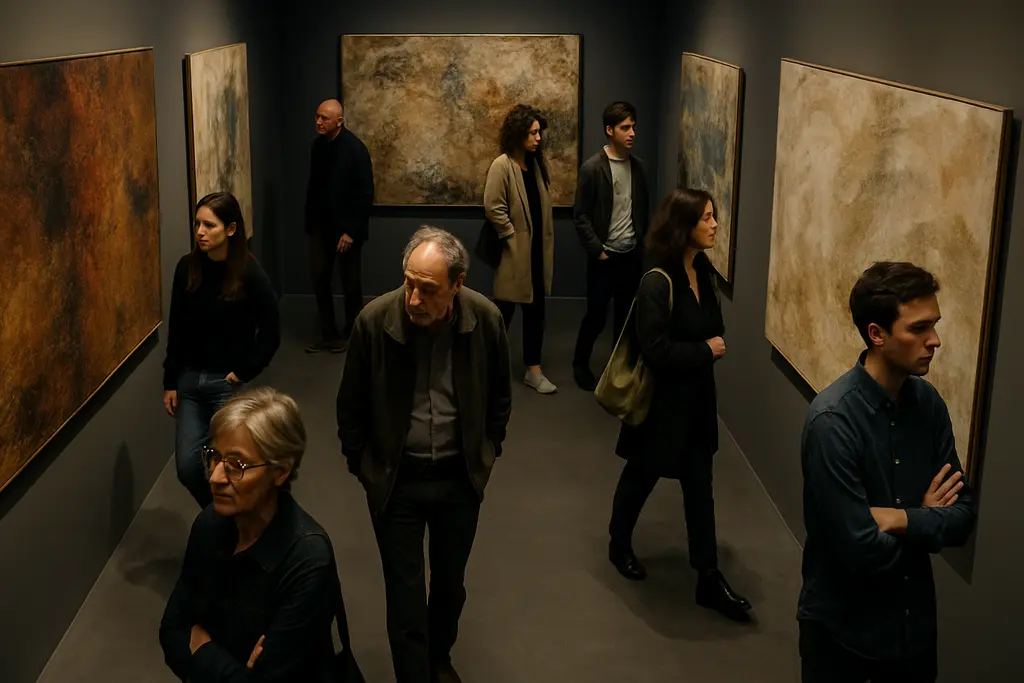
A chair is rarely only a chair in a museum setting. A vessel is rarely only a vessel. Once placed in an exhibition, a handmade object starts to speak through material choice, surface treatment, scale, usefulness, and the history of its making. This is where craft can reward slow looking. The viewer is not only asking whether a work is beautiful. The viewer is asking what kind of labor it preserves, what cultural assumptions it resists, and what values it makes visible.
Because OBJECTS: USA gathers historic and contemporary makers, the exhibition can support cross-generational comparison without pretending that every artist faced the same conditions. A mid-century woodworker, a contemporary ceramic artist, a jewelry maker, and a designer working with a domestic form may all address use and beauty, but the cultural stakes can differ widely. That difference is part of the conversation, not a problem to solve.
The temporary nature of the show also shapes its meaning. A permanent collection display often implies continuity. A temporary exhibition can act more like a focused argument. It selects, places, and times objects so that visitors can test a premise: American craft can be read as a record of cultural choices.
Material, Function, And Cultural Memory
Furniture, Jewelry, Clay, And Social Meaning
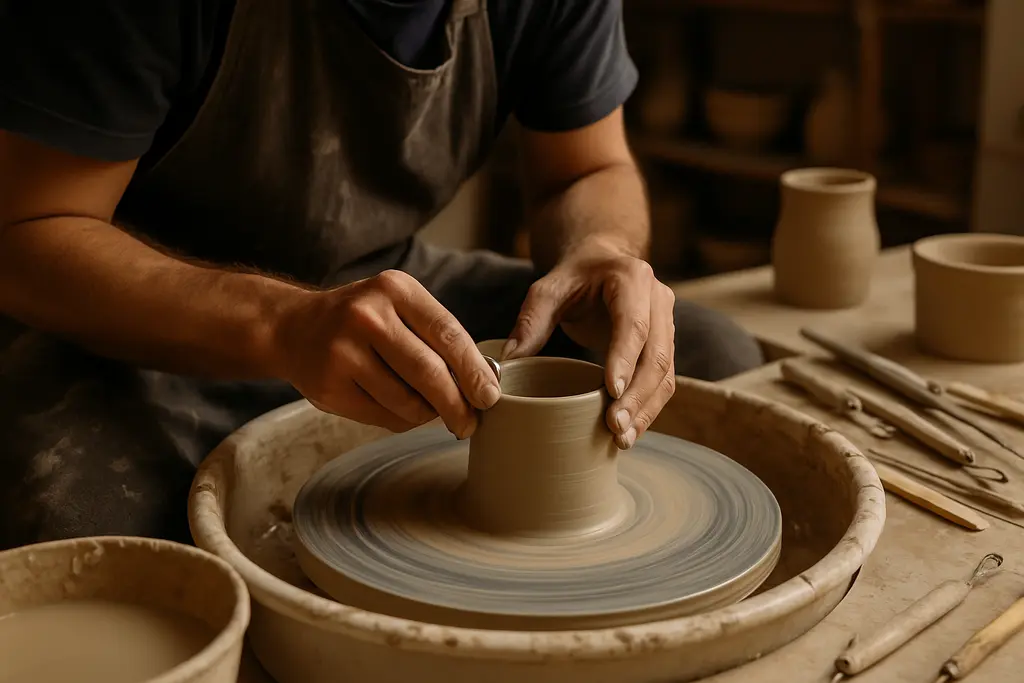
Seen this way, American Craft Narratives depend on more than biography or chronology. Materials carry associations before an artist touches them. Wood can suggest shelter, labor, landscape, furniture, inheritance, or regional identity. Clay can point toward the hand, the body, utility, fragility, ceremony, and domestic space. Metal may suggest adornment, industry, protection, wealth, or repair. Fiber often brings questions of clothing, gendered labor, warmth, pattern, and community knowledge.
Function makes those meanings more active. A functional object can be held, worn, sat upon, opened, repaired, inherited, or refused. Even when a museum object is no longer used in daily life, its implied use remains part of how viewers understand it. A chair remembers posture. A necklace remembers the body. A vessel remembers containment. That remembered use can make craft unusually direct as a form of cultural storytelling.
This is also where care is needed. Viewers should avoid treating every object as a simple symbol with one clean message. Craft works can hold contradiction. An object may be playful and critical at the same time. It may honor tradition while changing it. It may use familiar forms to make social tension easier to see. Good exhibition discussion leaves room for that ambiguity.
America 250 Context Without Easy Answers
Anniversary Framing And Public Memory
The timing of OBJECTS: USA gives the exhibition another layer. The United States marked its 250th anniversary context in 2026, and national cultural institutions have framed related programming around public memory and civic reflection. The Smithsonian announced Our Shared Future: 250 programming to commemorate America’s 250th anniversary Smithsonian announcement. OBJECTS: USA is not listed there as a Smithsonian-hosted installation, but it clearly belongs to the same wider season of questions about whose histories are centered and how culture is remembered.
That distinction is worth making because accuracy matters. The 2026 OBJECTS: USA exhibition is at the Museum of Craft and Design in San Francisco, not at a Smithsonian museum. The Smithsonian connection is better understood through historical reference and the broader America 250 cultural discussion, rather than by mislabeling the 2026 venue.
Anniversary exhibitions can be risky when they become celebratory by default. Craft can complicate that pattern. Handmade objects often point to labor, migration, regional technique, household knowledge, material scarcity, environmental choice, and the uneven recognition of makers. In that sense, craft can ask a harder question than a commemorative banner: what has been valued, what has been overlooked, and who has been allowed to define American taste?
What Makers And Viewers Can Discuss

Questions For Slow Looking
For musicians, I often compare interpretation to touch: the same notes can feel different depending on weight, timing, and silence. Craft has its own version of touch. A carved edge, glazed surface, woven structure, joined corner, or polished metal form can carry decisions that are both technical and cultural. Viewers who bring that level of attention to OBJECTS: USA may find a stronger way into the work than a quick scan of labels.
- What does the material suggest before the artist changes it?
- Does the object invite use, refuse use, or imitate use?
- How does scale affect authority, intimacy, humor, or discomfort?
- What kinds of labor are visible, and what kinds remain hidden?
- Does the work repeat a tradition, revise it, or argue with it?
Collectors and handmade-art buyers can draw practical lessons from the same questions. Buying craft responsibly begins with maker context, material understanding, and patience rather than quick aesthetic extraction. For a related buyer-focused angle, kaygranger.com has covered buying handmade art during OBJECTS: USA with attention to maker support and object context.
Costume and fashion communities can enter the discussion as well, especially where adornment, fantasy, and handmade identity overlap. Readers interested in those adjacent questions may also recognize related conversations at Fairytale Fashion, where dress and imaginative styling can be considered as forms of cultural expression rather than surface decoration alone.
OBJECTS: USA And American Craft Narratives
The strongest reading of American Craft Narratives at OBJECTS: USA may be that craft is not secondary evidence of culture. It is culture in material form. A handmade object can show what people need, what they value, what they inherit, what they reject, and what they want the future to remember.
Because the exhibition remains on view through January 17, 2027, discussion around it should stay grounded in the works themselves rather than broad claims about national mood or market direction. The supported facts are already strong enough: a temporary San Francisco exhibition, more than 70 works, a mix of historic and contemporary makers, and a 2026 context shaped by craft celebration and America 250 reflection.
That is a substantial frame for art discussion. It invites viewers to treat craft objects as arguments made by hand, not as decorative afterthoughts. It also asks critics, collectors, and casual visitors to listen closely to material choices. In that listening, OBJECTS: USA becomes less about separating art, craft, and design, and more about understanding how objects hold public memory.