
Weather Event Cancellations are never only calendar problems. For musicians, stage crews, promoters, vendors, and audiences, severe weather can turn a planned night of sound, lights, fashion, food, and shared performance into a safety decision with financial and emotional consequences. The 2026 cancellations in the research set show several causes: storm-damaged venues, dangerous forecasts, high winds, beach erosion, microbursts, and tornado damage. The clearest lesson is not that every storm produces the same outcome. It is that live events depend on physical sites, temporary equipment, travel conditions, and public trust.
As a music instructor, I often talk with players about preparation as if the show will happen exactly as rehearsed. Severe weather reminds us that preparation also means knowing what happens if the show cannot happen. A guitarist can practice every transition, a singer can protect every high note, and a festival stylist can finish every handmade piece, yet the event still depends on safe ground, stable structures, working power, and defensible timing decisions.
Weather Event Cancellations In 2026
Gary Air Show And Public Safety Priorities
The 2026 Gary Air Show was canceled on August 14, 2026, after a severe weather event struck the region on August 11, 2026. The City of Gary said winds reached up to 99 mph, and the city framed recovery and safety as the priority in its public notice about the cancellation City of Gary notice. That example is useful because an air show is not a simple indoor ticketed event. It depends on public spaces, emergency coordination, crowd movement, equipment staging, and confidence that the surrounding area can support visitors safely.
The Gary case also shows why a cancellation can be a civic decision, not just an entertainment decision. If streets, utilities, public works teams, emergency services, or recovery crews are still responding to damage, an event may compete with urgent local needs. In that setting, the question is not whether the event has cultural value. It does. The question is whether staging it would draw resources away from recovery or place crowds into an area that has not stabilized.
New England Concerts And Forecast-Based Decisions
In New England, two Ed Sheeran concerts at Gillette Stadium scheduled for September 25 and September 26, 2026, were canceled as a nor’easter approached and severe weather warnings were issued, according to the Associated Press AP report. That case differs from storm damage already visible on a site. Forecast-based cancellations often ask organizers to act before the worst conditions arrive. To audiences, that can feel abrupt. To event teams, the timing may be tied to load-in, crowd arrival, transit, temporary structures, evacuation paths, and the difficulty of reversing a decision once thousands of people are moving toward a venue.
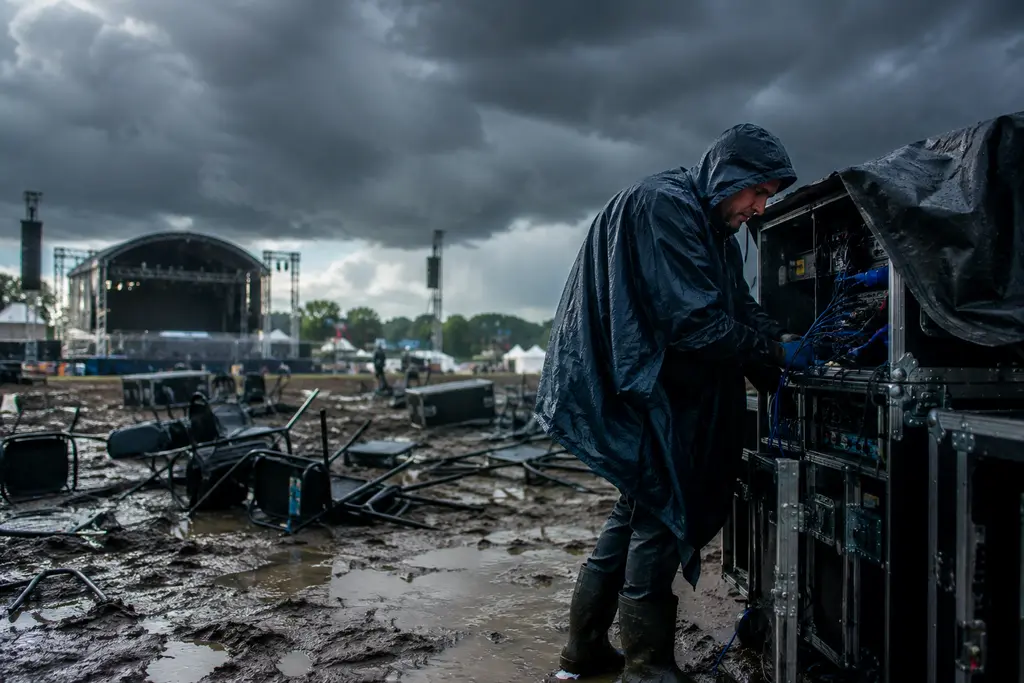
The research set also listed other 2026 examples: a Toronto stadium concert affected by severe storm damage, a Santa Monica beach festival canceled after surf and runoff eroded the venue area, a Philadelphia concert canceled after a microburst damaged the venue and equipment, and a French festival day canceled after tornado damage. Those cases should not be treated as identical. They do, though, point to a shared fact about live culture: concerts and festivals are physical systems before they are artistic experiences.
Shared Patterns Behind Weather Event Cancellations
What Weather Event Cancellations Shared
What Weather Event Cancellations shared in the 2026 examples was a safety trigger that could not be solved by wishful scheduling. Sometimes the trigger was damage that had already occurred. Sometimes it was a forecast that made crowd movement and staging unsafe. Sometimes it was the condition of the venue surface itself, such as erosion at a beach site. These are different operational problems, but they all challenge the same assumption: that the stage is a fixed, reliable container for art.
For artists, that assumption matters. A touring musician builds a set list around emotional pacing, instrument changes, monitor mixes, and the energy arc of the room. A cancellation breaks that arc before it begins. Yet the decision may still protect the very people the performance was meant to gather. A show is not successful if the art survives but the audience, crew, or local workers are placed at avoidable risk.
Venue Damage Versus Forecast Risk
Venue damage and forecast risk require different communication. After visible damage, organizers can usually explain the decision in concrete terms: structures were damaged, equipment was unsafe, or site repairs were required. Forecast-based decisions are harder because the evidence may not be visible at the moment a notice goes out. Audiences may look out a window, see manageable weather, and question the choice. That gap is where clear language matters.
Useful communication names the hazard, the affected part of the event, and the reason timing matters. It avoids drama, but it also avoids vague reassurance. For example, “high winds may affect temporary staging during load-out” gives people a clearer picture than “weather issues.” The goal is not to provide every technical detail. The goal is to show that the decision was connected to identifiable risk.
Lessons For Artists, Crews, And Audiences
For Musicians And Touring Teams
For musicians and touring teams, Weather Event Cancellations should be part of rehearsal-season thinking. That does not mean rehearsing fear. It means preparing practical alternatives: backing up show files, documenting gear condition before travel, knowing who communicates with local production, and building set changes that can survive altered schedules. Musicians can also reduce stress by treating cancellation policies and rescheduling language as part of professional planning, not as boring paperwork left to someone else.
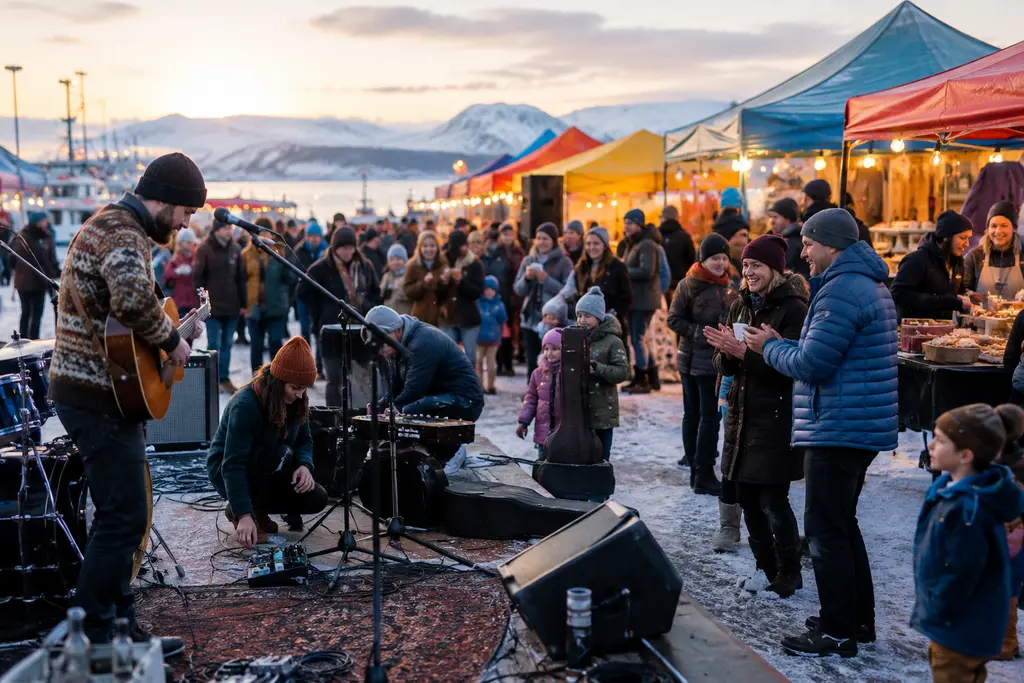
Small acts can learn from large events without copying their scale. A local band playing an outdoor brewery stage may not have a national tour staff, but it can still ask about rain cover, electrical safety, cancellation timing, and who has final authority. A school ensemble can do the same for an outdoor concert. Good planning does not remove disappointment. It reduces confusion.
For Festival Style, Vendors, And Fan Culture
Live events are not only about the main stage. They include handmade clothing, cosplay-inspired outfits, artist merch, food vendors, photographers, and fans who use a concert or festival as a creative deadline. That cultural layer deserves respect. A canceled festival can leave independent sellers with unsold stock, fans with finished looks they never wore, and creators with content plans that no longer fit the moment. Readers interested in the fashion side of fantasy and event culture may also find related context at Fairytale Fashion.
For costume makers and sellers, weather risk is a reminder to separate artistic planning from rights and commerce planning. Keep product descriptions accurate, avoid implying official licensing without a clear basis, and be careful with celebrity likenesses or protected characters. Severe weather may change an event date, but it does not remove the need for cautious rights-clearance thinking. That is not legal advice; it is a practical reminder that creator-commerce choices deserve care even under deadline pressure.
Planning Questions For Producers And Venues

Questions Before Tickets Go On Sale
Producers and venues can make better decisions if severe weather planning begins before promotion peaks. The questions are not glamorous, but they shape public trust. If an event uses temporary structures, outdoor electrical runs, beach access, airfield logistics, or open-field parking, the weather plan should be more than a private document. At minimum, staff should know who monitors forecasts, who can stop work, who speaks publicly, and how refunds or date changes will be communicated.
- What specific weather conditions would pause load-in, delay doors, or cancel the event?
- Who has authority to make the final safety call, and is that authority written down?
- How will crews, artists, vendors, and ticket holders receive the same information?
- What parts of the site are most vulnerable: staging, parking, beach access, power, entrances, or nearby roads?
- How will the event protect workers who may be on site before the audience arrives?
Communication After The Decision
After a cancellation, speed matters, but accuracy matters more. A rushed statement that omits the actual hazard can feed confusion. A statement that names the weather risk, the affected dates, and the next step gives people a fairer chance to respond. If rescheduling is uncertain, say so. If refunds are handled by a ticketing platform, say that clearly. If local recovery is part of the reason, as in the Gary example, that context helps audiences understand that the decision belongs to a wider public situation.
Audiences also have responsibilities. Before traveling to an outdoor event, they should read official event channels, check the date and venue status, and avoid relying only on reposted screenshots. Artists and promoters can help by keeping the same wording across venue pages, ticketing notices, and social feeds. Consistency is a safety tool.
Severe Weather On Live Events
The lesson from Weather Event Cancellations in 2026 is not that live events have become impossible or that outdoor culture should retreat. The lesson is more practical: concerts, festivals, air shows, and community gatherings need weather planning that respects both art and risk. A strong cancellation decision may disappoint thousands of people, including artists who prepared seriously and fans who built memories around a date. Still, the best live-event culture depends on trust. People return to venues when they believe organizers will protect them before protecting the schedule.
For musicians, that means expanding the idea of readiness. Practice the set, protect the gear, read the contract, understand the weather plan, and know how communication will work if the show changes. For producers, it means treating safety language as part of the event experience. For audiences, it means recognizing that a canceled performance can be a responsible act, not a failure of commitment. Severe weather can silence a stage for a night, but careful planning helps preserve the community that makes the next performance possible.