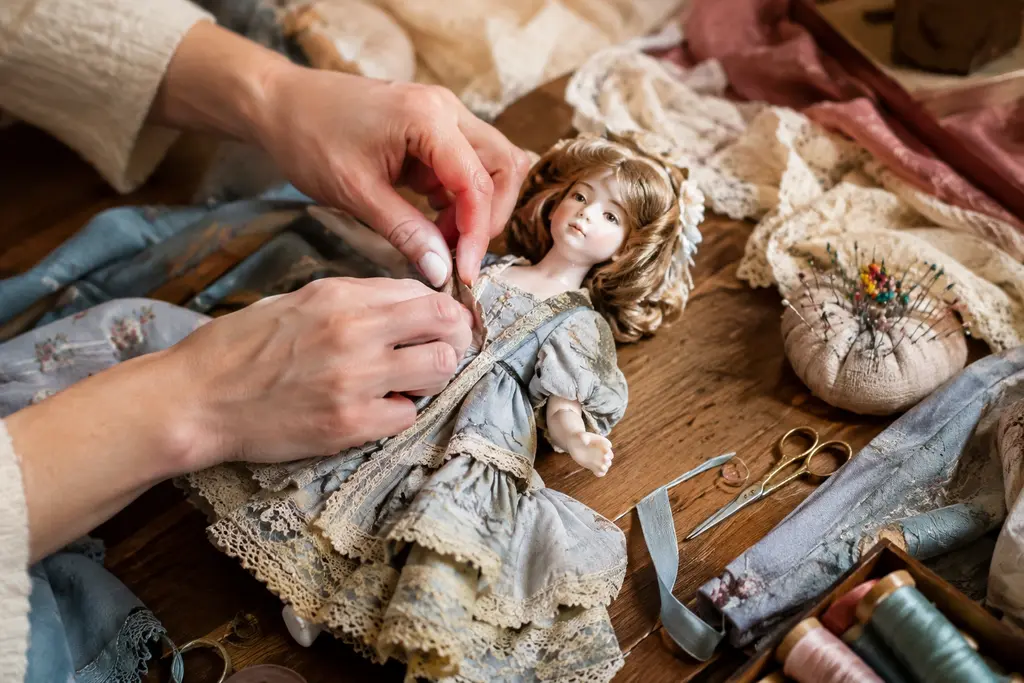

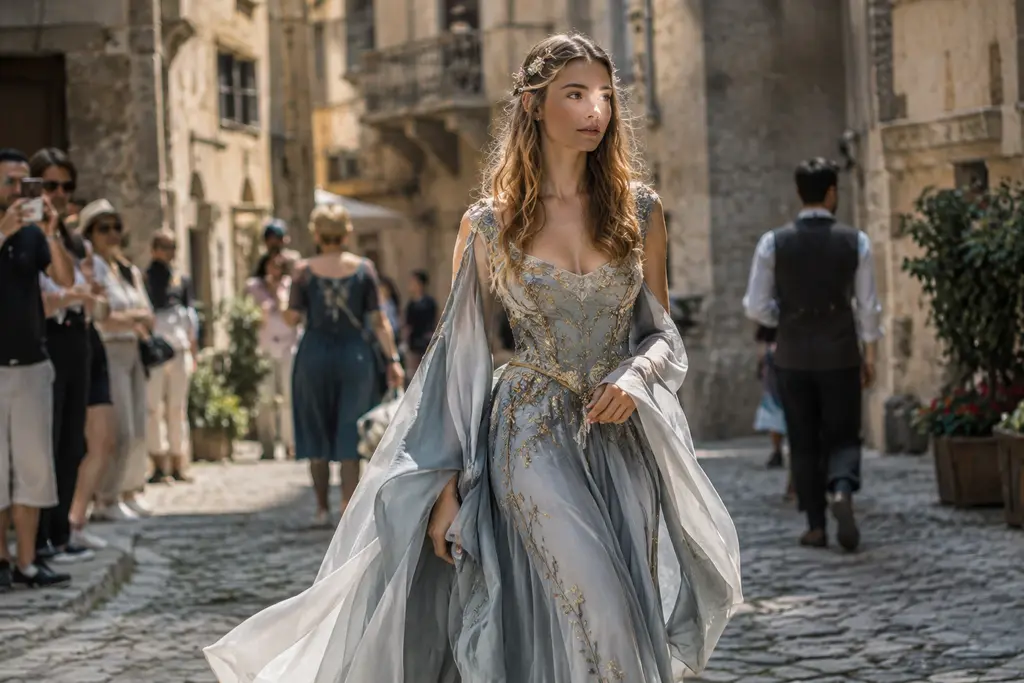
As of November 9, 2026, fairy-tale fashion is best understood as a temporary but visible styling current rather than a single fixed look. Its medieval references can be theatrical, romantic, austere, protective, or antique-leaning. The appeal is not only about dressing like a storybook character. It is about borrowing signs of age, craft, ritual, and fantasy at a moment when many shoppers appear interested in clothing that feels less plain and less disposable.
The evidence is strongest where search behavior meets garment detail. Depop’s 2026 Trends Report reported that search interest in “Medieval” rose 240% year over year across its marketplace, and that about 65% of people said they were drawn to styles or items from past eras Depop trend report. That does not prove every shopper wants a full medieval wardrobe. It does suggest that antique-coded fashion language has become easier for ordinary buyers to recognize and search for.
Why Fairy-Tale Fashion Feels Current
Fairy-Tale Fashion Is Not Pure Escape
The phrase can sound whimsical, but the styling logic is often quite practical. A lace skirt, a hooded knit, a metal belt, or a blouse with long sleeves can suggest old-world romance without becoming costume. This is where the trend differs from cosplay. Cosplay usually points toward a character, source text, or convention setting. Fashion use is looser: it lets the wearer borrow a mood without claiming a role.
Lyst’s recent trend analysis gives a useful measure of that shift. It reported that lace dresses and skirts increased by 23% quarter over quarter and 38% month over month, while searches for chainmail rose 66% quarter over quarter Lyst trend analysis. Lace and chainmail sit at opposite ends of the same visual field: one delicate and romantic, the other armored and defensive. Their shared rise helps explain why medieval nostalgia can support both softness and severity.
Old Forms Meet New Wardrobes
For students of performance, costume, or even piano stagewear, the lesson is familiar: a look communicates before a note is played. Clothing with a historical hint can change posture and pacing. A hood frames the face. A long sleeve alters gesture. A heavy buckle shifts the center of an outfit. These are temporary choices, but they affect how a person enters a room.
That physical effect may be one reason the style resonates beyond runway images. Medieval references tend to create shape. They favor sleeves, ties, panels, texture, weight, and contrast. Even when the garments are modern, they resist the blankness of basics. They ask the eye to follow lines.
Medieval Motifs Without Costume Thinking
Details Carry More Weight Than Full Looks
The most wearable versions usually depend on one or two medieval-coded details, not a head-to-toe fantasy scene. This matters for shoppers and creators because the line between reference and costume can change with context. A velvet dress may read as eveningwear. Add a pointed headpiece, theatrical cape, and prop sword, and the meaning changes quickly.
- Bell or trailing sleeves can suggest storybook romance while staying usable in a blouse or dress.
- Deep jewel tones can carry a courtly feeling without requiring historical accuracy.
- Laced bodices, corset-like seams, and front ties can imply older garment construction.
- Chainmail-like shine, metal mesh, or heavy hardware can introduce an armor reference.
- Hoods and capes can add drama, especially when balanced with simple modern pieces.
The strongest fairy-tale fashion pieces do not need to reproduce the Middle Ages. They translate a symbol into a garment people can actually wear: a hood on a coat, a silver mesh bag, a lace skirt with boots, or a structured vest over a plain dress.
Medieval Nostalgia Is Selective
There is a useful caution here. The “medieval” being circulated in fashion is often imagined rather than historical. It blends manuscript imagery, fantasy film memory, Renaissance fair dressing, archive fashion, folklore, and luxury styling. That mixture is part of the appeal, but it also means the trend should not be treated as a reliable history lesson.
For writers, sellers, and stylists, careful language helps. “Medieval-inspired,” “storybook,” “courtly,” “armor-like,” or “folklore-coded” are often more accurate than presenting a garment as authentic to a period. The point is not to drain the style of romance. It is to avoid overstating what a modern garment proves about the past.
Creator Commerce And Rights Awareness
Reference Mood, Not Protected Characters
For sellers, fairy-tale fashion can be tempting because the visual signals are widely understood. A listing that uses terms such as lace, hooded, silver mesh, bell sleeve, velvet, or medieval-inspired can help buyers find a mood. Yet creator-commerce strategy should stay cautious around named characters, film properties, celebrity likenesses, and branded fantasy worlds.
This is not legal advice, and rights questions depend on specific facts. As a practical editorial principle, it is safer to describe original garment features than to imply affiliation with a studio, author estate, game publisher, or performer. A handmade cape can be described through fabric, cut, color, and historical influence without borrowing a protected name to create demand.
Archive Interest Can Support Small Sellers
Medieval nostalgia also fits a broader appetite for vintage and past-era styling. For small sellers, that can be useful if the inventory genuinely supports the description. A secondhand blouse with dramatic sleeves, an old metal belt, or a lace-trimmed skirt may gain new relevance when photographed and described with care.
Still, sellers should avoid treating every ornate item as medieval. Buyer trust depends on accuracy. If the piece is 1990s, say so. If the cut only “suggests” a storybook mood, say that. Clear description often performs better over time than inflated language.
How To Wear The Trend Temporarily
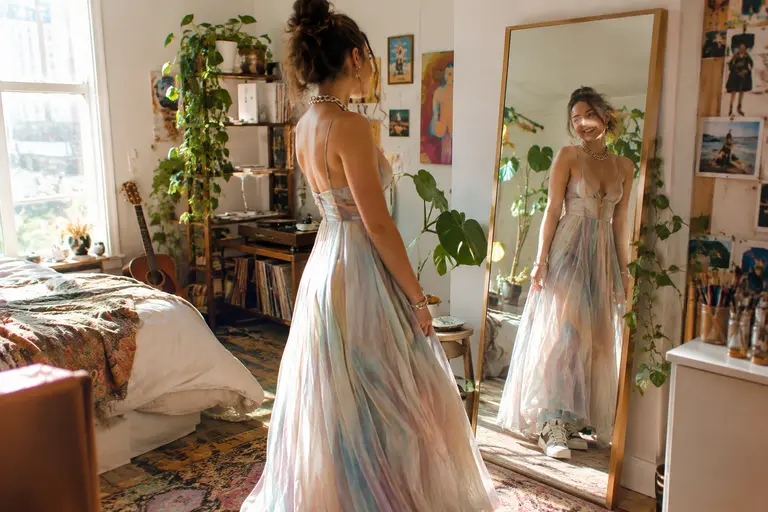
Use A Practice-Run Approach
Temporary styling works much like temporary performance preparation: test the passage before playing it in public. Before building a full look, try one detail at home. Wear a lace skirt with a plain sweater. Add a metal belt to a black dress. Test a hooded layer with denim. See whether the piece changes movement, comfort, or confidence.
This measured approach also reduces waste. A shopper does not need to replace a wardrobe to respond to medieval nostalgia. One accessory can change the reading of familiar clothes. A brooch, hair ribbon, long pendant, textured sleeve, or structured vest may do enough.
Balance Drama With Daily Use
The trend becomes more durable when drama is balanced with function. Shoes still need to work for walking. Sleeves should not interfere with work. A cape may be beautiful but impractical on public transit. That does not make the trend frivolous; it means styling must answer to the body.
For readers tracking adjacent culture coverage, a related site in the same network, robsonic.org, offers arts and style notes. The useful question is not whether medieval nostalgia is “real” enough. The better question is what a specific garment does: how it changes silhouette, texture, gesture, and mood.
Fairy-Tale Fashion And Medieval Nostalgia
The present interest in medieval references is supported by search data and by visible garment categories such as lace and chainmail. It is still wise to treat the trend as uneven. Some consumers may adopt a single accessory; others may build full fantasy-coded outfits. Some sellers may use the language carefully; others may stretch it too far.
That is why fairy-tale fashion works best as an interpretive style, not a rulebook. Its value lies in selective borrowing: a sleeve, a texture, a hood, a jewel tone, a metallic glint. Used with restraint, medieval nostalgia can make current clothing feel more theatrical and personal without pretending to be historical reconstruction.
The most convincing looks are not the ones that copy a castle fantasy from head to toe. They are the ones that understand proportion. A modern outfit can carry one old signal clearly, then leave space around it. That restraint is where the style becomes wearable, and where its temporary nature becomes useful rather than limiting.