
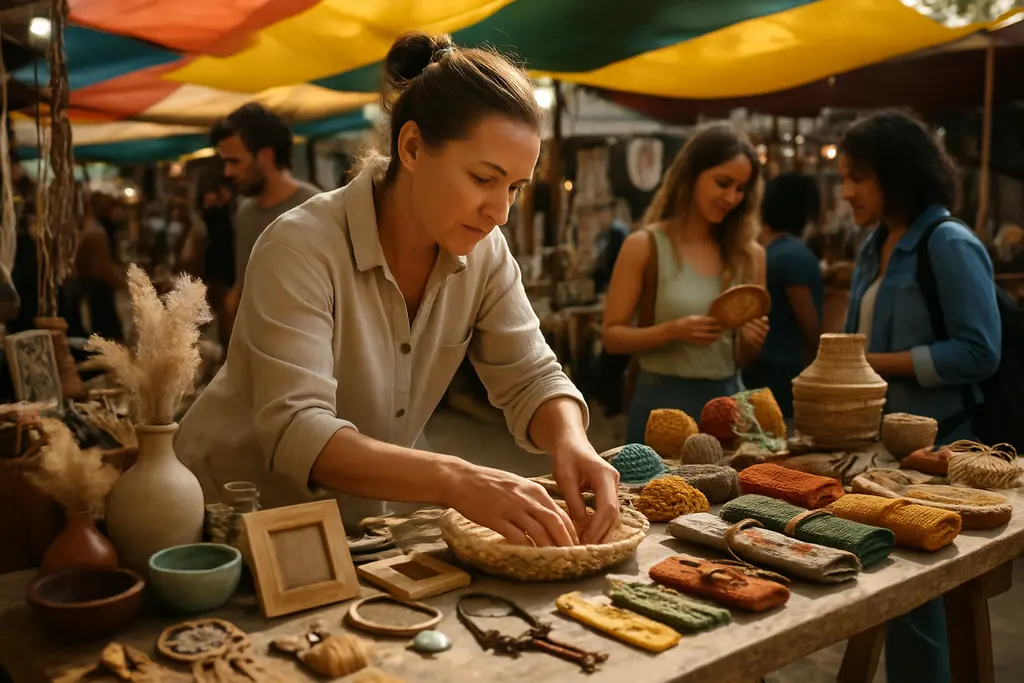
Poshmark Handmade Sellers had to adjust their habits in 2026 because several platform changes affected sourcing, listing visibility, fulfillment risk, and performance tracking. The clearest shift was not artistic; it was operational. A seller making jewelry, stitched accessories, altered garments, or small-batch gifts could still use the platform, but the old assumptions about boutique labels, wholesale sourcing, inactive listings, and cancellation tolerance needed a careful review.
For handmade sellers, the useful response is similar to a disciplined practice routine at the piano: reduce vague effort, work from evidence, and check the weak measures before the recital date arrives. Marketplace work is not music study, but the habit is close. Sellers need scheduled review, clean records, realistic capacity, and enough margin to survive ordinary mistakes.
Why Poshmark Handmade Sellers Had To Recheck Inventory
Poshmark Handmade Sellers And The Wholesale Closure
Poshmark’s Wholesale Market closed on February 28, 2026, at 11:59 PM PT, and Wholesale listings were no longer purchasable after that date, according to Poshmark’s Marketplace FAQ. That mattered most for sellers who had treated Poshmark as both a selling venue and an inventory pipeline. A handmade seller who sourced blanks, boutique-style pieces, or resale inventory through that system lost a platform-native sourcing option.
The change did not mean handmade work became impossible on Poshmark. It meant the seller’s supply chain became less forgiving. If an item depended on a discontinued source, a small run of materials, or a boutique-style component, the listing needed a fresh review. Sellers who kept offering products they could no longer reproduce risked late fulfillment or cancellation pressure.
A separate post-shutdown boutique analysis framed the closure as a meaningful change for sellers who had relied on boutique and wholesale structures. That is a reasonable caution, especially for handmade businesses sitting between maker, curator, and reseller identities.
Boutique Labels Became NWT Listings
Beginning in March 2026, Boutique listings were converted to New With Tags listings in standard closets, and the Boutique tab, filters, and related tools were removed. That changed how new inventory was presented. A listing that once leaned on a Boutique label had to compete through ordinary listing signals: title clarity, photos, condition, price, category fit, and buyer interest.
For handmade sellers, this raised a practical branding issue. If an item is handmade, assembled in small batches, altered, or designed from sourced parts, the listing should explain that plainly without implying a platform label that no longer functions. Clarity protects trust. It also helps a buyer understand whether the item is one-of-a-kind, ready to ship, made in multiples, or part of a small collection.
Operational Risk Moved Into Daily Practice
Cancellation Rates Need A Buffer
Research notes dated October 17, 2026, describe an enhanced seller cancellation policy that had been active since early 2026. Sellers who canceled more than 3% of orders in a rolling 90-day window could face account restrictions, while cancellations for buyer reasons or bundling were excluded. A later March 26, 2026, update shortened restriction duration, which made recovery more possible after performance improved.
For Poshmark Handmade Sellers, the practical lesson is capacity control. Handmade work often carries variables that standard resale does not: materials can run out, a custom color may fail, a glaze may not cure as expected, or a stitched piece may take longer than planned. The safer practice is to list only what is finished or what can be produced within a realistic window. If a seller cannot verify materials, time, and packaging, the listing is not ready.
Inactive Listings Need Scheduled Attention
Research notes also describe an Inactive Listings tool that began rolling out around April 6, 2026. Listings with no qualifying activity in the previous 60 days, such as comments, offers, editing, or bundling, could be flagged as inactive and receive less priority in search and browsing. Sellers were able to receive notifications and bulk reactivate listings.
That change rewards steady maintenance. A handmade closet with slower-moving niche goods should not be treated as a static gallery. Sellers can review older listings, refresh a weak first photo, clarify dimensions, add missing material details, or consider whether the price still reflects labor and fees. This is not busywork if it is tied to a concrete question: why did this item receive views but no interest, or no views at all?
Pricing And Metrics Require Slower Decisions
Small Handmade Items Face Fee Pressure
The research notes state that Poshmark’s standard fee structure remained a 20% commission on sales of $15 or more and a $2.95 flat fee on sales under $15, current as of October 2025. That matters for small handmade goods because the flat fee can take a large share of a low-priced item. A $10 accessory, for example, leaves less room for materials, packaging, labor, and the cost of replacing failed work.
Handmade sellers should avoid pricing only against similar-looking mass-produced goods. The correct question is not simply, “What will sell?” It is also, “What can be sold without training the shop to lose money?” A buyer-facing price should account for platform fees, shipping materials, time, defect risk, and the possibility of offers.
Listing Metrics Should Start Questions
Research notes describe 2026 seller tools that showed updated seller stats, including ship time over the last 90 days, cancellation rate, approved return cases, total sales, and shipped orders. They also describe listing-level metrics such as impressions, clicks, likes, offers, and days listed. Those figures are useful, but they should not be read too quickly.
If a listing has impressions but few clicks, the first photo or title may be unclear. If it has clicks but no likes, the price, materials, measurements, or styling may need review. If it has likes but no offers or purchases, the buyer may be hesitating over price, shipping value, or trust signals. Numbers do not diagnose the whole problem, but they tell the seller where to listen first.
| Signal | Possible Question | Cautious Seller Response |
|---|---|---|
| Low impressions | Is the title or category too vague? | Revise title, category, and keywords without exaggerating. |
| Clicks without likes | Does the listing answer buyer questions? | Add dimensions, materials, condition, and clearer photos. |
| Likes without sales | Is price or shipping value a barrier? | Review margin before making offers. |
| Slow ship time | Is production too close to the order date? | Keep more finished inventory or reduce made-to-order promises. |
A 2026 Practice Routine For Handmade Closets

Weekly Tasks That Reduce Surprises
A good seller routine should be simple enough to repeat. The goal is not to stare at data all week. The goal is to stop preventable problems before they become cancellations, stale listings, or unprofitable sales.
- Review inactive or aging listings once a week and update only the listings that have a clear weakness.
- Check available materials before accepting custom or repeat orders.
- Compare each item’s price against fees, packaging, labor, and likely offer behavior.
- Track ship-time habits over a rolling 90-day period rather than relying on memory.
- Flag items that use materials needing special packaging or shipping review.
This kind of routine also supports wider creator-commerce planning. Sellers comparing platform shifts across handmade channels may find the related piece on handmade platform changes useful, especially if Poshmark is only one part of their sales plan. For broader marketplace reading in the same network, Next Clues offers insightful comparisons on adjacent commerce topics, supporting sellers in viewing the market beyond a single platform.
Materials Checks Before Shipping
Research notes describe a USPS hazmat non-compliance fee change that moved through a July to August 2026 transition. Poshmark had covered 100% of hazmat non-compliance fees until July 31, 2026. From August 1, 2026, sellers became responsible for a $5 portion of the fee, while Poshmark paid the rest.
Handmade sellers should be especially careful with products involving fragrances, sprays, adhesives, paints, solvents, batteries, cosmetics-adjacent goods, or packaging that could raise shipping questions. This is not a reason to panic. It is a reason to review materials, packaging, and carrier rules before listing and before mailing. A small deduction can erase profit on a low-priced item.
Poshmark Handmade Sellers In 2026
By October 17, 2026, the pattern was clear: Poshmark’s changes asked sellers to operate with more discipline. The Wholesale Market had closed. Boutique presentation had shifted into ordinary New With Tags listings. Cancellation rate tracking, inactive listing signals, seller stats, listing metrics, bulk tools, and hazmat fee responsibility all pushed sellers toward cleaner systems.
The research notes also describe Poshmark’s August 3, 2026, announcement that it was sunsetting its current digital consignment model and shifting toward “Consignment as a Service” through physical operations connected to Linda’s Stuff facilities. Access was expected to open gradually based on facility capacity. Handmade luxury or high-value artisanal goods might eventually fit some version of that service, but the notes do not support assuming broad access for most handmade sellers.
Poshmark Handmade Sellers should treat 2026 as a year that rewarded preparation over improvisation. The most practical response is not dramatic reinvention. It is a steady routine: keep inventory honest, price with fees and labor in view, check aging listings, protect cancellation rates, use metrics as questions rather than verdicts, and avoid promises that the workbench cannot support.