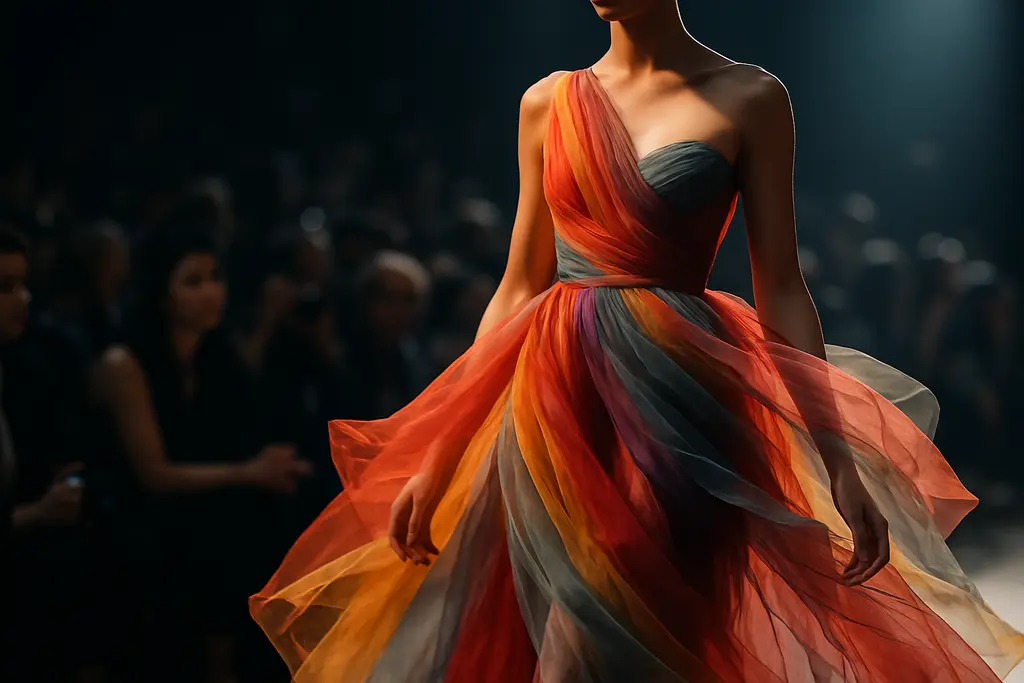

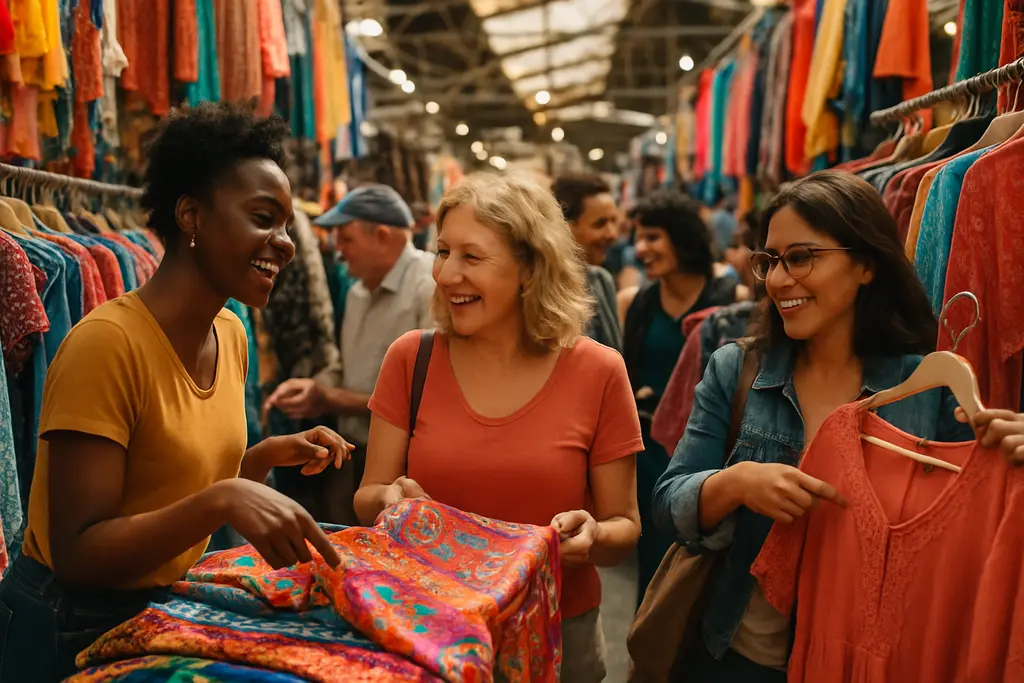
The MuseSelect Fashion Market arrived with enough scale to deserve attention from buyers, stylists, creators, and small fashion sellers. The useful question is not whether one launch instantly changed fashion taste. It is whether the September 2026 launch showed a buying model that could affect how trends are tested, stocked, promoted, and turned into sellable collections.
MuseSelect officially launched its U.S. creator fashion market at CoCreate LA on September 10–11, 2026, presenting more than 5,000 fall/winter looks from over 100 fashion brands, according to PR Newswire. That scale matters because buyers rarely learn much from a tiny capsule alone. A broader launch gives observers more to study: product range, creator participation, commission incentives, content production, and the early link between audience interest and product selection.
What The MuseSelect Fashion Market Launched
Launch Scale And Timing
The launch took place after a short pre-launch buildout rather than after years of public trading data. That makes early analysis possible, but not final. As of September 19, 2026, the event had already taken place, so it is best read as a completed market debut rather than as an upcoming fashion event.
The in-person format was also part of the signal. MuseSelect staged the Creator Fashion Market in a 2,000 square meter space at the Los Angeles Convention Center across two days. The reported setup included guided sessions where creators could select products, do fittings, shoot content, and begin building storefronts. For buyers, this blends a showroom, content studio, and commerce onboarding session into one process.
Muse 1000 And Creator Ownership
Alongside the launch, MuseSelect announced Muse 1000, described as a three-year initiative intended to help 1,000 creators build their own fashion labels. That claim should be treated as an ambition rather than as proof of completed creator-owned brands. Still, it clarifies the company’s positioning: creators are not framed only as media partners, but as potential product collaborators and label builders.
That distinction matters for fashion buying. A traditional influencer campaign often starts with a finished product and asks a creator to create demand. A creator-led fashion model can start earlier, using audience signals to decide what products deserve attention, which silhouettes need variation, and which collections have enough community interest to justify a bigger push.
How Creator Commerce Changes Buying Signals
MuseSelect Fashion Market Buying Signals
The most interesting buying signal is speed. If creators can test looks with their communities before inventory decisions become too large, a brand may gain faster evidence about demand. That does not remove risk. It may shift part of the risk from intuition alone toward pre-sales, creator storefront performance, and content response.
Fashionista reported that MuseSelect uses a vertical AI-native creator commerce model that connects creators with manufacturers and commerce infrastructure, while commission rates average 15–25%, with some limited-time campaigns reaching up to 35%; the report also noted an extra 5% for creators using AI content tools and a further 3% royalty for co-created original designs via Fashionista. For a buyer, those numbers show why creators may treat product selection as a serious sales channel rather than as a side post.
The MuseSelect Fashion Market offered another signal: creator registration. About 10,000 creators registered in the two months before the September 2026 launch event, according to the reported launch figures. Registration is not the same as sales. It does suggest that many creators were willing to test a fashion commerce model with lower entry barriers than building a label from scratch.
Why Micro-Creators May Matter
One trend effect may come from smaller creators. If no large audience threshold is treated as the defining entry point, then taste can come from more specific communities. A ravewear stylist, fantasy-fashion maker, handmade gift curator, or stagewear-focused creator may identify demand that a mass-market buyer would miss.
This is not the same as saying every small creator becomes a brand. Most will not. The buying lesson is narrower: small creators can serve as early readers of taste. Their value may sit in trust, styling knowledge, and cultural fluency rather than reach alone. That can be useful for shoppers who want products that feel less generic, and for brands trying to learn which design details actually prompt purchase.
How The MuseSelect Fashion Market May Affect Trends
From Aesthetic Posts To Product Tests
The MuseSelect Fashion Market may affect trends by shortening the path from aesthetic interest to product testing. A creator can style a coat, skirt, corset-inspired piece, or festival-ready accessory, then see whether an audience only likes the image or actually buys the item. That difference is central to buying decisions.
Fashion trend coverage often treats visibility as demand. The two can overlap, but they are not the same. A look can receive attention because it photographs well, feels surprising, or fits a cultural mood. A buyer still needs to know whether shoppers will pay, whether returns are manageable, whether sizing is clear, and whether the product can be replenished without quality slipping.
Trend Risk And Inventory Discipline
Creator-led product testing may help reduce some excess inventory risk, but it cannot remove operational problems. If a garment goes viral and production cannot keep pace, buyers face delay, inconsistent supply, or disappointed customers. If the style is too narrow, sales may peak quickly and fade before a wider assortment can sell through.
The early U.S. pilot figures reported in fashion coverage are promising but limited: 10 creator storefronts generated nearly $300,000 in sales across three months, and one creator produced more than $100,000 in sales. Those figures show commercial potential. They do not yet prove repeatable results across all categories, body types, price points, and creator niches.
A Practical Buying Guide For Creators And Shoppers
What Creators Should Check
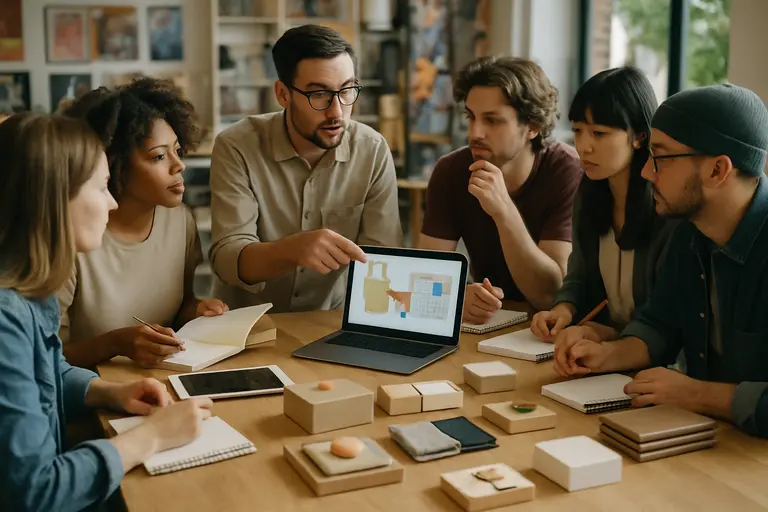
Creators considering a market like this should treat the offer as a product business decision, not just a content opportunity. Higher commissions can be attractive, but quality, fulfillment, returns, customer support, fit information, and rights clearance still matter. A creator’s audience may forgive an experimental post; they are less forgiving when a purchase disappoints.
- Check whether product photos, fit notes, and size information match the audience’s expectations.
- Ask how returns, shipping questions, and customer complaints are handled before promoting a product.
- Keep a record of which styles convert, not just which posts receive attention.
- Avoid using celebrity likenesses, copyrighted characters, or unlicensed artwork in campaign assets unless rights are clear.
- Test a small selection before presenting a full storefront as a personal fashion identity.
Creators in music, rave, cosplay, and handmade-gift communities should be especially careful about aesthetic borrowing. Inspiration is common in style culture, but commercial product pages need more caution than mood boards. For related culture and music coverage within the same network, readers can also visit Robsonic.
What Shoppers Should Watch
Shoppers should read creator storefronts with both enthusiasm and care. A creator may have strong taste and honest enthusiasm, but buyers still need ordinary retail information: fabric content, measurements, delivery expectations, return terms, and product images that show fit clearly.
For fashion fans, the appeal is obvious. Creator-led markets can make shopping feel more personal, especially when a creator explains styling context and shows how a piece works in real life. The caution is equally clear: personal style authority does not automatically guarantee product quality. A good buying decision balances taste with evidence.
MuseSelect Fashion Market Impact On Buying Guides
The MuseSelect Fashion Market should be read as an early but significant case study in creator-led fashion commerce. Its launch brought together a large product assortment, a public creator initiative, and commission incentives that may encourage creators to act more like product partners than ad placements.
For buying guides, the biggest impact is the need to evaluate style through three lenses at once: cultural fit, sales evidence, and operational trust. A garment is not worth recommending only because it looks strong in content. It also needs clear sizing, reliable fulfillment, reasonable return handling, and a creator-brand relationship that does not confuse influence with ownership.
The September 2026 launch did not prove that creator commerce will define every major fashion trend. It did show a credible buying model to watch: creators helping test demand, brands reading community signals earlier, and shoppers receiving trend cues from people whose style they already follow. The next useful measure will not be hype. It will be whether repeat purchases, quality control, and creator trust hold up after the launch attention fades.