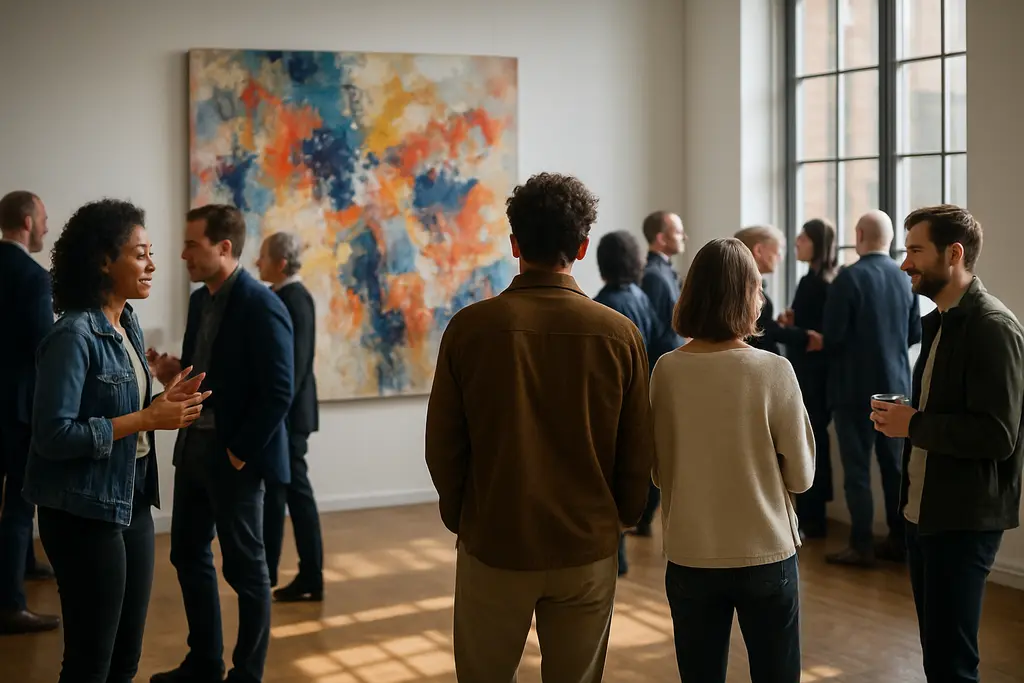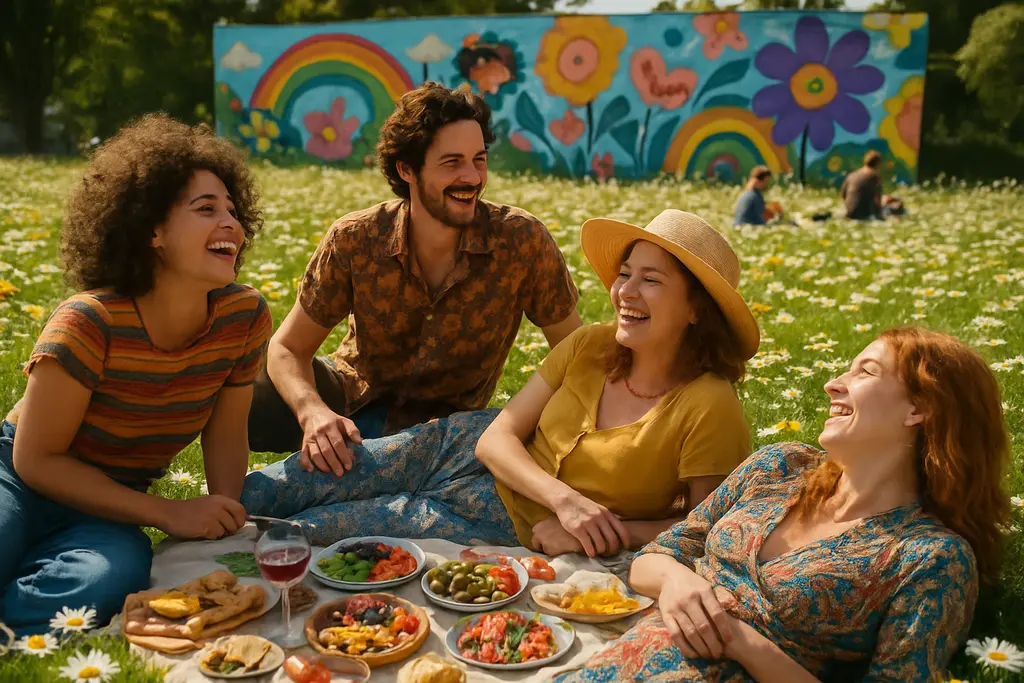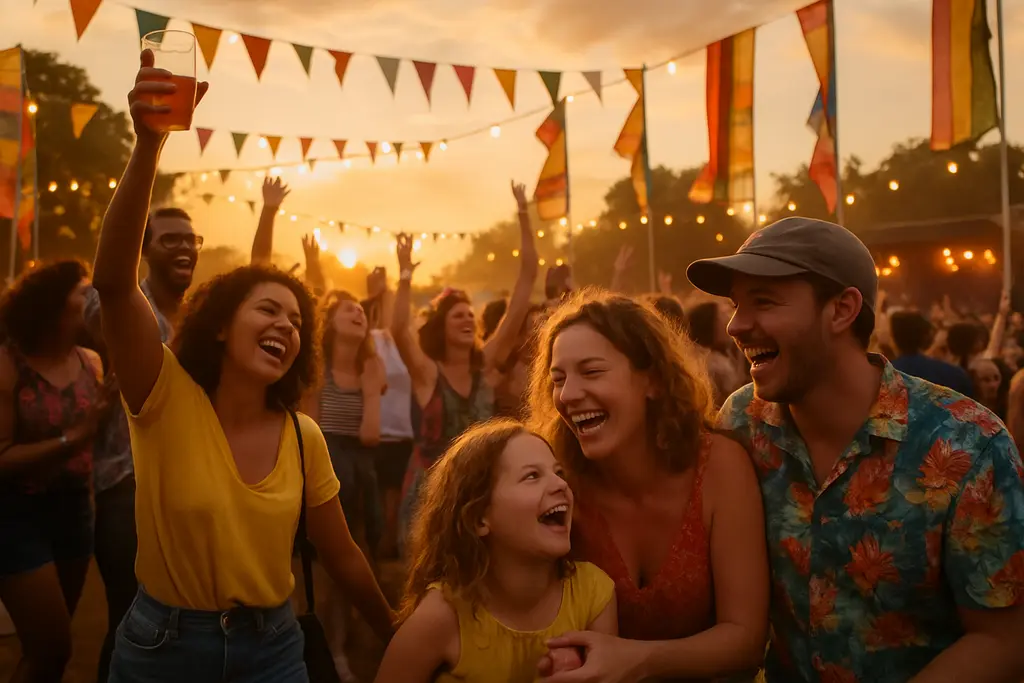

New Music Venues are often discussed as style statements: a warehouse room, a rooftop stage, a converted storefront, a courtyard set, or a temporary outdoor build. That framing is too narrow. The stronger question is how these spaces change the habits of audiences, artists, neighborhood businesses, and promoters. The evidence available by August 22, 2026, suggests that venue format matters, but it does not support simple claims that every pop-up or new room strengthens a music scene.
Live culture is shaped by repetition. People return to places where they feel oriented, where sound is handled with care, where artists are treated seriously, and where the surrounding street life makes attendance feel possible. A temporary venue can create that pattern for a short period. A new permanent room can extend it. A cluster of smaller rooms can make an area feel musically legible without depending on one flagship building.
Why New Music Venues Matter Economically
What New Music Venues Change First
New Music Venues often change the geography of attention before they change a city’s identity. A small stage in a walkable district gives audiences a reason to arrive early, eat nearby, linger after the set, and connect live music with an area rather than a single ticket. That pattern is modest at first, but it can matter for local businesses and working artists.
A 2026 study of “music zones,” defined in the research as clusters of at least five independent music venues in walkable proximity, found that such zones in the United States supported nearly 12,000 jobs and generated about US$1.4 billion in direct economic impact annually. The same study reported that 90% of surrounding businesses were locally owned, which suggests that independent venue clusters may be tied to neighborhood-scale economic activity rather than only large entertainment districts music zones study.
That finding should be read carefully. It does not prove that adding any venue to any street will produce the same outcome. It does point toward a useful pattern: live music gains strength when venues are close enough to form a walkable cultural circuit. For artists, that circuit can mean more stages at different career levels. For audiences, it can mean more choice without the psychological weight of a single major event.
Music Zones As A Cluster Model
The cluster model is especially relevant to temporary and small rooms because those spaces rarely carry a city’s live culture alone. Their value often comes from adjacency. A 150-capacity room, an outdoor seasonal stage, a rehearsal-linked performance space, and a late-night experimental room can serve different audiences while still feeding the same local habit: go out, hear music, talk about it, and return.
From a performance-coaching perspective, this resembles how musicians improve through repeated low-stakes performance. One recital a year can feel too heavy. Several smaller run-throughs teach recovery, pacing, listening, and confidence. Live event culture works in a similar way. A city or district with multiple accessible rooms gives performers and audiences more chances to practice the act of showing up.
Temporary Spaces And Cultural Testing
Why Pop-Ups Lower Artistic Risk
Temporary venues can function as tests. A promoter can assess whether a neighborhood responds to a certain genre, whether a mixed bill draws beyond an artist’s usual circle, or whether an outdoor format suits the local audience. Artists can try a different stage setup or collaborate with visual designers without committing to a long venue run.
This does not mean temporary spaces are automatically fair, safe, or artist-centered. Short-term models can also create uncertainty around pay, production quality, access, weather planning, and noise agreements. The cultural benefit depends on the standards behind the event: clear artist communication, sensible sound management, audience safety, and respect for the surrounding neighborhood.
The Audience Experience Is Part Of The Work
Live event culture is never only sonic. Dress, movement, lighting, room layout, queue behavior, and the social code of the audience all shape the performance. A temporary venue can make this especially visible because attendees are less likely to rely on old habits. They have to learn the space in real time: where to stand, how to listen, how to move, and how to signal belonging without excluding newcomers.
That matters for adjacent creative communities as well. Costume makers, stylists, poster artists, photographers, and small sellers often build around music scenes, but rights and permissions still require care. For readers tracking how clothing and audience presentation shape event identity, fantasy fashion and costume culture offers a related lens on how visual choices carry meaning in public creative settings.
The caution is that atmosphere should not be mistaken for evidence. A striking location can make an event feel culturally significant, yet still leave artists underpaid or audiences poorly served. The strongest temporary spaces are not merely unusual. They are well-run enough that the artistic risk feels supported rather than improvised.
What The Numbers Do Not Prove
Scale Does Not Equal Stability
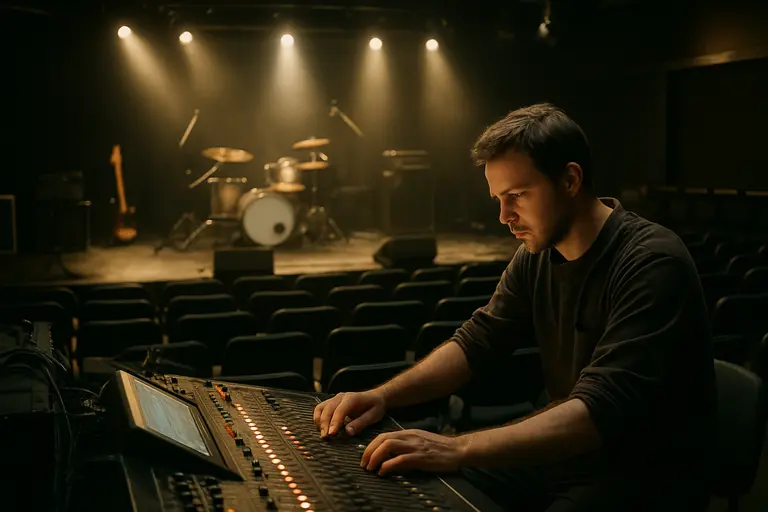
The independent live sector is large, but size should not be confused with security. The National Independent Venue Association’s State of Live report, released on June 23, 2025, said independent live venues, festivals, and promoters contributed US$86.2 billion to U.S. GDP in 2024 and generated US$153.1 billion in overall economic output. The same report said the sector supported 908,000 jobs, paid US$51.7 billion in wages and benefits, produced more than 153,000 events, served 183.7 million fans, and that 64% of independent music venues were not profitable State of Live report.
Those figures create an important tension. Independent live music can generate major economic activity while many individual venues remain financially strained. That tension helps explain why temporary models, shared spaces, seasonal stages, and mixed-use programming remain attractive. They may reduce some fixed costs or allow a host to test demand, but they do not remove the basic pressures of rent, staffing, insurance, production, artist fees, and audience affordability.
Caution For Artists, Sellers, And Hosts
For artists and creators, a new or temporary venue can open a useful door, but it is not a substitute for clear terms. Musicians need to know payment structure, set length, backline expectations, load-in timing, recording permissions, and who controls event promotion. Visual artists and sellers need similar clarity on display space, fees, sales handling, and rights around images or designs.
Creators should be careful with fan merchandise, celebrity likeness, and artwork linked to protected characters or branded imagery. A venue’s informal mood does not make rights questions disappear. This is not legal advice; it is a practical reminder that live events often mix music, fashion, photography, and commerce in one room, and each layer can carry permission issues.
- Ask for written event terms before promoting the date.
- Confirm whether photography, livestreaming, or recording is planned.
- Separate original designs from imagery tied to protected characters or public figures.
- Plan for accessibility, weather, sound limits, and safe crowd flow.
New Music Venues And Live Culture
New Music Venues should be judged by what they make possible over time: better listening habits, more chances for developing artists, healthier neighborhood circulation, and events that feel specific without becoming exclusionary. The most useful spaces are not always the largest or most photogenic. They are the ones that help people return to live performance with trust.
The evidence from music zones and the independent live sector supports a cautious reading. Clusters can carry real economic weight. Independent venues can serve millions of attendees and support large numbers of jobs. At the same time, many venues remain financially fragile, and temporary formats can shift risk onto artists or workers if they are poorly managed.
For audiences, the best response is active attention: notice who is on the bill, how the room treats sound, whether the event feels accessible, and whether the local ecosystem benefits beyond a single night. For artists, the practice lesson is familiar: do not rely on atmosphere alone. Prepare, ask clear questions, listen to the room, and treat each performance as part of a longer pattern. That is how new stages become more than novelty. They become places where live culture is rehearsed, tested, and made durable.