

The handmade aesthetic is changing how many shoppers think about value, but the shift deserves careful reading. A handmade object is not automatically better because it is handmade, and a polished mass-produced object is not automatically inferior. The more useful question is whether the buyer can see evidence of skill, material judgment, originality, durability, and fair context behind the item.
Recent market reporting supports the idea that demand for craft goods has strengthened. Forbes reported that the global handicrafts market was valued at US $740 billion in 2024 and projected to reach US $983 billion by 2030, citing a growing appetite for handmade goods Forbes market reporting. That figure does not explain every purchase decision, but it gives useful scale to a buying pattern that many independent makers, gallery shops, craft-fair sellers, and design-conscious shoppers have observed.
Why The Handmade Aesthetic Is Changing Value
Handmade Aesthetic And The Signal Of Human Work
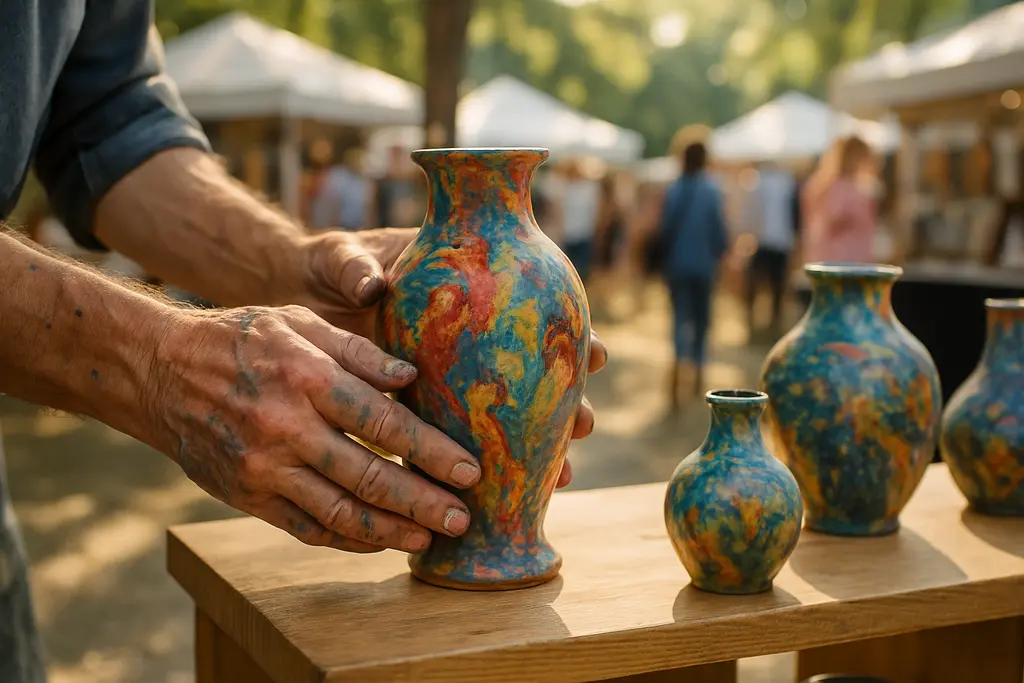
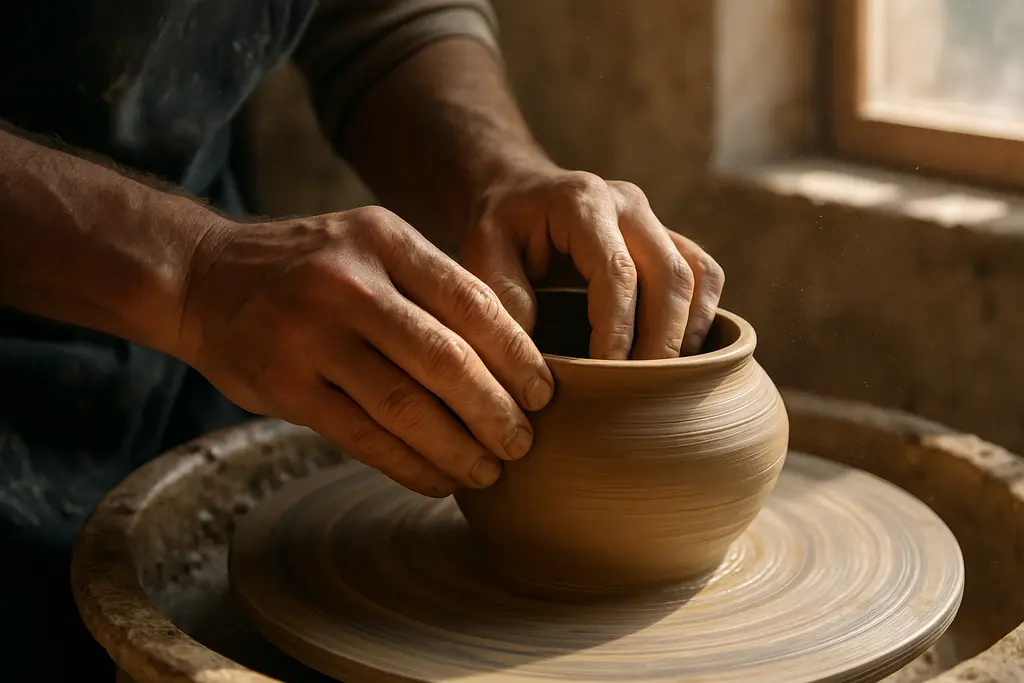
The handmade aesthetic often signals human presence: slight variation, visible stitching, hand-thrown form, carved texture, woven structure, painted surface, or a join that shows how the object was built. For buyers, those marks can change the meaning of a purchase. The item may feel less like a replaceable unit and more like an object with a maker, a process, and a point of view.
That does not mean buyers should romanticize rough workmanship. A loose seam, unstable glaze, weak clasp, or poorly finished edge is not valuable simply because it looks irregular. The best handmade buying decisions separate expressive variation from avoidable defect. As in piano study, the difference between expressive rubato and unstable rhythm matters. Human touch is persuasive when it is supported by control.
What Consumers Say They Will Pay For
Survey data gives some support to the pricing side of this shift. ACT Insurance reported in its 2026 arts and crafts industry statistics that 70.8% of consumers said they were willing to pay more for high-quality, original handmade products. The same source also reported that, as of early 2026, 85.3% of creative businesses derived more than half their revenue through in-person sales at local markets, fairs, and festivals ACT craft industry data.
Those numbers are useful, but they should be read with caution. Willingness to pay more does not mean every shopper will pay any price, and in-person sales success does not mean online sales are unimportant. The stronger takeaway is narrower: buyers appear to value originality and quality, and many handmade sellers still benefit when customers can handle objects, ask questions, and see materials in person.
How To Evaluate Craftsmanship Before Buying
Start With Materials And Construction
A buying guide for handmade goods should begin with the object itself. Materials tell part of the story. Wood, clay, fiber, metal, glass, leather, paper, or mixed media each age differently. Ask whether the seller explains the material in plain language. If the item is wearable, check comfort, fastenings, seams, and care instructions. If it is decorative, check stability, finish, hanging hardware, and how it should be cleaned or displayed.
Construction is the second test. A ceramic mug should sit evenly and feel balanced in the hand. A textile should have secure joins and finishing appropriate to its use. A handmade journal should open and close without strain. Jewelry should have clasps, settings, and wirework that fit the likely wear. These checks do not require expert status. They require slow looking.
Separate Originality From Mere Texture
The handmade look can be imitated, so buyers should avoid relying on texture alone. A surface that appears rustic is not proof of original craft. Better signals include a coherent design language, a clear maker description, process photos when available, consistent quality across related pieces, and pricing that makes sense for material and labor.
For art-adjacent purchases, the same caution applies. A buyer comparing studio objects, small artworks, or decorative pieces may find useful principles in buying handmade art responsibly, especially the idea that support for makers should include attention to context rather than impulse alone.
Price, Provenance, And Buyer Responsibility
Why A Higher Price May Be Reasonable
The handmade aesthetic is often tied to price because craft production usually involves time-intensive labor. A maker may be designing, sourcing materials, producing, photographing, packing, selling, and handling customer communication. Even without knowing every cost, buyers can ask whether the price reflects more than raw materials.
A low price is not always suspicious; a maker may be new, clearing stock, or using modest materials. A high price is not automatically justified either. The buyer’s task is to connect price to evidence: material quality, finish, originality, scale, difficulty, and the seller’s transparency. Good buying is neither bargain hunting at the maker’s expense nor paying extra only because an item has a handmade label.
Questions That Help Before Purchase
Before buying, shoppers can use a short set of practical questions. These are not meant to interrogate artists or sellers, but to slow the purchase long enough to make a fair decision.
- What materials are used, and are care instructions provided?
- Does the construction match the item’s intended use?
- Can the seller explain the process without vague exaggeration?
- Is the design original, or does it appear to rely on someone else’s protected characters, marks, or likenesses?
- Does the price make sense for labor, scale, finish, and durability?
- If buying online, are photographs clear enough to judge texture, size, and finish?
Rights questions require caution. A buyer does not need to become a legal expert, and this is not legal advice. Still, it is sensible to be wary of fan merchandise, celebrity likenesses, or branded imagery when the seller does not explain authorization. Respect for craft includes respect for creative rights.
Where In-Person Buying Still Matters

Touch, Scale, And Conversation
In-person buying remains valuable because handmade work often depends on qualities that are hard to judge from a screen. Weight, drape, balance, texture, glaze depth, paper feel, and color shifts can change a buyer’s response. A photo can show a scarf; handling it can reveal whether it feels durable, scratchy, soft, warm, or delicate.
Conversation also helps. A maker can explain whether a bowl is food-safe, whether a textile should be hand-washed, whether a print is original or reproduced, or whether a custom request is realistic. Buyers should respect the seller’s time, especially in crowded markets, but a focused question can prevent disappointment later.
Online Buying Needs Different Evidence
Online purchases require a different kind of trust. Since the buyer cannot handle the item, the listing has to do more work. Look for clear dimensions, material notes, multiple photographs, shipping details, return or exchange terms, and realistic descriptions. Be cautious with listings that depend only on mood words and provide little practical information.
Related arts and culture readers may also compare how adjacent creative communities discuss audience taste and maker identity through the insights available on robsonic.org, a site in the same network. That broader context can be useful, but the purchase itself should still come back to the object, the seller, and the evidence available.
How To Buy The Handmade Aesthetic With Care
Use Preference, Not Hype
The handmade aesthetic can encourage better buying when it helps shoppers choose fewer, more meaningful objects. It becomes less helpful when it turns into another style label applied to anything with a rough surface or nostalgic look. Buyers should ask whether they want the object after the trend language is removed.
A careful shopper can admire visible craft without demanding perfection or accepting weak work. That balance matters. Makers deserve fair evaluation, not automatic praise. Buyers deserve accurate descriptions, safe materials for intended use, and honest presentation. The strongest purchases happen where those expectations meet.
Match The Object To Its Use
Buying handmade also means matching the item to real life. A delicate embroidered piece may be better as occasional wear than daily use. A hand-bound journal may be ideal for memory keeping but less practical for heavy travel. A hand-thrown serving dish may need special care. The value of craftsmanship increases when the buyer understands how the object should live.
This is where the handmade aesthetic moves from surface preference to buying discipline. The point is not simply to own something that looks crafted. The point is to choose an object whose design, material, use, and maker context make sense together.
Handmade Aesthetic Buying Choices
The evidence available in 2026 supports a cautious claim: many consumers are placing more value on original handmade goods, and some are willing to pay more for quality and visible craftsmanship. Still, each purchase has to be judged on its own merits. Market growth and survey interest do not guarantee that every handmade listing is durable, original, fairly priced, or well described.
The best buying approach is patient and specific. Look closely at materials, construction, function, originality, seller transparency, and care requirements. Ask respectful questions when information is missing. Treat price as a clue, not a verdict. If a piece holds up under that kind of attention, the handmade aesthetic can become more than a look; it can become a more thoughtful way to buy.