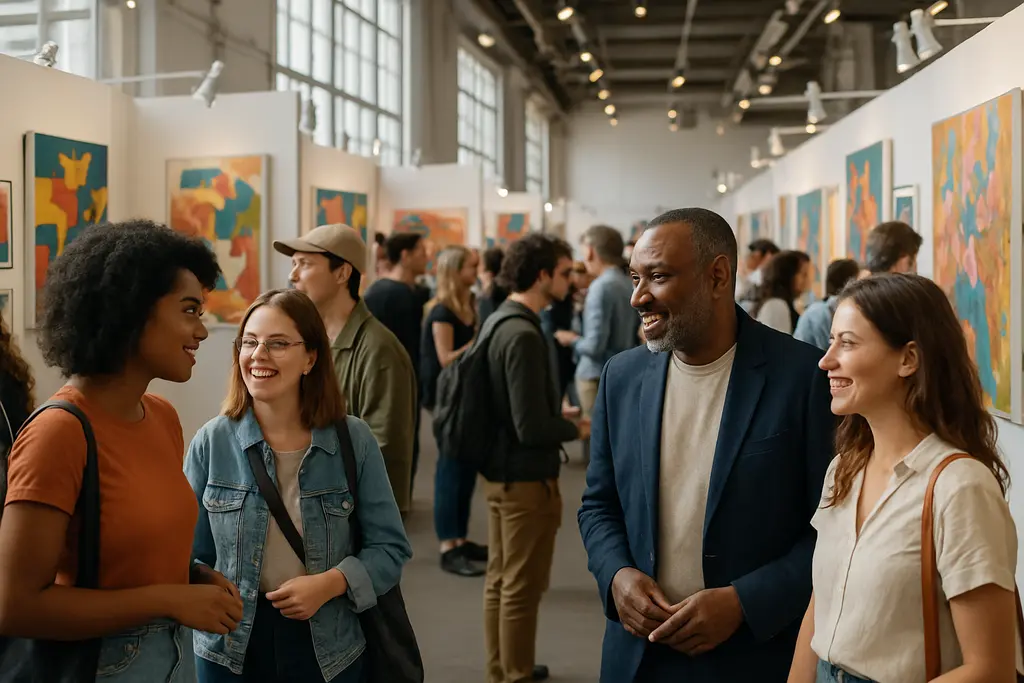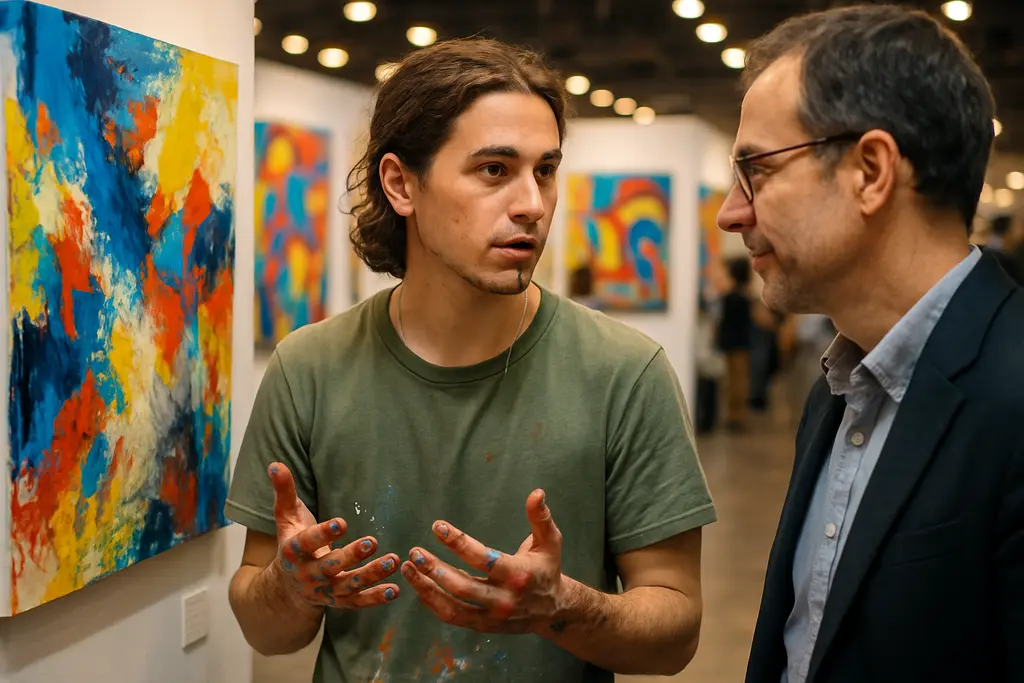

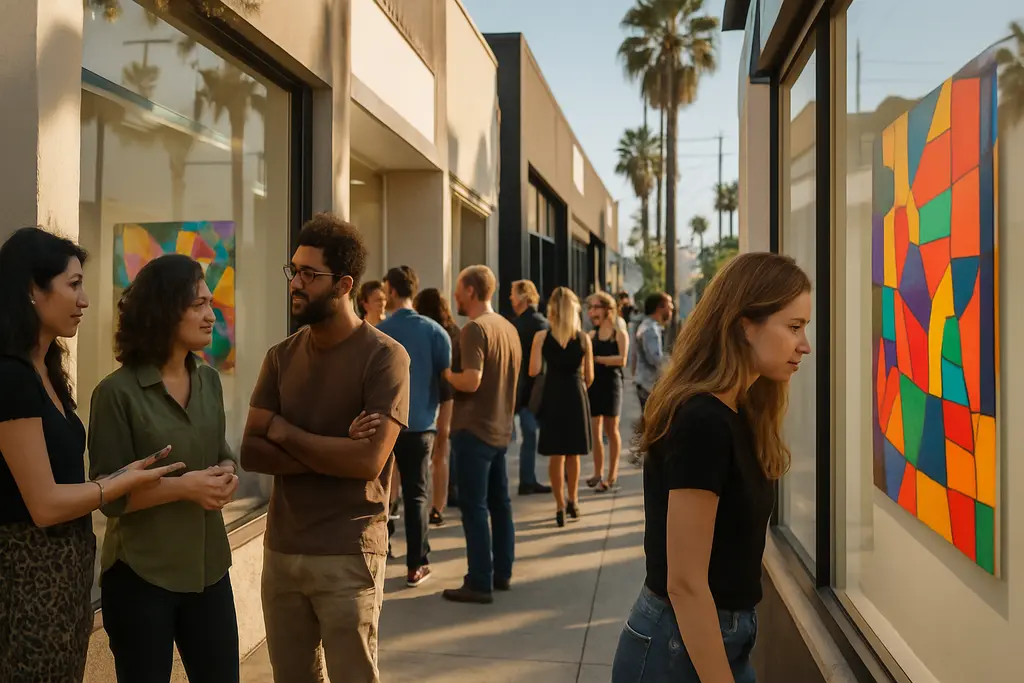
The Direct-to-Buyer Model used around The Other Art Fair Los Angeles offers independent artists a useful case study, especially because the September 24-27, 2026 edition has already taken place. The strongest lesson is not that every artist should rent a booth or reshape their work for quick sales. It is that direct selling asks artists to think like communicators, planners, and careful stewards of buyer trust.
The Los Angeles fair matters because it sits between several pressures facing independent artists: presentation costs, buyer education, fair competition, social media visibility, and the need to sell without reducing the work to merchandise alone. A fair can create access, but access is not the same as guaranteed income. Artists need a plan that treats visibility, pricing, inventory, and follow-up as connected parts of the same practice.
Direct-to-Buyer Model In Los Angeles
Observer reported that The Other Art Fair has, since its 2011 launch, sold more than 100,000 artworks by nearly 10,000 artists, with more than $7 million paid out to artists in the prior 12 months. The same report said the September 24-27, 2026 Los Angeles edition featured 160 independent artists selected by a rotating committee, and described the fair’s open-call process, in which artists submit four artworks and background material for local review Observer report.
Direct-to-Buyer Model Basics
The Direct-to-Buyer Model is useful because it compresses several stages of the art market into one encounter. A visitor sees the work, meets the artist, asks about materials or meaning, and may decide on a purchase without a long chain of intermediaries. That can help buyers feel close to the maker, but it also places more responsibility on the artist. Pricing has to be clear. Display decisions have to make sense quickly. The story behind the work has to be available without turning into a rehearsed sales script.
For artists, the model rewards preparation before the doors open. A booth is not only a wall or table; it is a teaching space. Artists who can explain process, scale, editioning, framing, shipping, and care instructions in plain language give buyers fewer reasons to hesitate. That does not mean simplifying the art itself. It means removing avoidable confusion from the buying experience.
What The Buyer Setting Encouraged
The research notes describe a fair culture that favored transparent pricing and approachable formats, including works sized so buyers could carry them and the use of limited edition or smaller prints alongside original works. That is a practical point for artists who often arrive with only one kind of inventory. A booth made entirely of large originals may communicate seriousness, but it may not meet the needs of buyers who have limited wall space, limited transport options, or a first-time collector’s budget.
Accessible Work Sizes And Price Signals
Smaller works should not be treated as lesser works. In a direct setting, they can act as entry points into an artist’s practice. A buyer may start with a modest print, then later return for a larger original after building confidence in the artist’s voice and professionalism. This is where the Direct-to-Buyer Model can support long-term relationships rather than one-time transactions.
Artists should be cautious, though, about producing only what seems easy to sell. A fair strategy works best when smaller pieces, prints, studies, and originals all connect to the same artistic identity. If the booth feels split between unrelated products, buyers may struggle to understand what the artist stands for. Coherence does not require sameness, but it does require visible logic.
Artist Economics Need Clear Targets
The fair’s 2024 U.S. artist guide stated that each four-day edition across its cities sold more than 1,500 artworks, that about 90 percent of exhibiting artists made at least one sale, and that 87 percent of U.S. exhibiting artists said they would exhibit again while 86 percent would recommend the fair to other artists. The same guide cited an audience reach of more than 280,000 social media followers, more than 200,000 global newsletter subscribers, and an average of more than 2 million earned media impressions per fair artist guide.
Those numbers are encouraging, but they should be read with care. A high percentage of artists making one sale does not tell an individual artist whether revenue covered booth costs, travel, lodging, framing, packaging, payment fees, or studio time. For the Direct-to-Buyer Model, the better question is not only “Can I sell?” but “What level of sales, contacts, commissions, and future opportunities would make participation worthwhile?”
- Set a break-even figure before applying, including production and travel costs.
- Prepare inventory across several price points without weakening the body of work.
- Track conversations, not only sales, because later commissions may matter.
- Use clear labels for size, medium, edition status, and price.
- Plan follow-up messages for buyers, interested visitors, and press contacts.
Artists who also sell through online channels can apply similar trust habits across platforms. For comparison, kaygranger.com’s cautious look at handmade marketplaces in 2026 discusses buyer-facing signals such as discoverability and credibility. Readers interested in further exploration of related cultural and shopping contexts can visit the network site nextclues.com.
Preparation Before Applying

Because the Los Angeles edition used a selection process, artists should not treat an application as a casual upload. The strongest submission is likely to make the work legible to a committee that may be reviewing many artists at once. That means consistent photography, concise background material, and a clear sense of how the submitted works represent the artist’s practice.
Portfolio Fit And Selection Risk
Selection risk is part of the economics. A no-fee application lowers one barrier, but it does not remove the time needed to prepare a serious submission. Artists should choose four works that speak to each other rather than four pieces that simply show range. Range can be useful, but an unclear portfolio can make it harder for reviewers to understand direction, quality, and fit.
The Direct-to-Buyer Model also asks for a different kind of readiness after acceptance. Artists need to know how they will wrap work, process payment, describe materials, document sales, and handle buyer questions. These tasks are not separate from the art. They shape whether a buyer feels respected and whether the artist can manage the fair without unnecessary stress.
Practice The Conversation
As a piano educator, I often remind students that performance preparation includes what happens before and after the first note. The same idea applies here. Artists can practice a short explanation of their process, but it should sound human rather than memorized. A useful version might explain what the work is made of, what visual problem the artist was working through, and what kind of collector might connect with it.
Practicing the conversation does not mean pressuring visitors. Many buyers need time to look. A calm booth presence can leave space for discovery while still making the artist available. That balance is hard to improvise under fair conditions, so it deserves rehearsal.
Rights, Likeness, And Trust
Artists selling directly should also be careful about rights, likeness, and attribution. This is not legal advice, and artists with specific questions should seek qualified guidance. Still, from a buyer-trust standpoint, creators should avoid making claims they cannot support. If a work uses recognizable cultural references, celebrity likenesses, branded elements, or fan-derived imagery, the artist should understand that those choices may raise clearance questions.
Trust is often built through small, concrete details: accurate titles, clear medium descriptions, edition numbers where relevant, honest reproduction information, and careful statements about inspiration. Buyers do not need exaggerated claims. They need enough reliable information to understand what they are purchasing and how it fits within the artist’s practice.
Other Art Fair Los Angeles Strategy
The September 24-27, 2026 Los Angeles fair shows why independent artists should study fair models before committing money and time. The Direct-to-Buyer Model can create meaningful contact between artists and collectors, but it rewards artists who prepare beyond the artwork itself. Strong strategy includes coherent inventory, clear prices, practiced explanations, careful documentation, and realistic financial targets.
The larger lesson is disciplined preparation. Artists do not need to imitate every feature of a major fair to benefit from its example. They can borrow the useful parts: make the work easy to understand without flattening it, offer entry points without abandoning serious practice, and treat every buyer interaction as part of a longer relationship with the work.